Skip to content

It is still the flu season! I have been surrounded by flu for one entire month while in urgent care, so it is the perfect time to get the message out there. So, what does this influenza season mean?
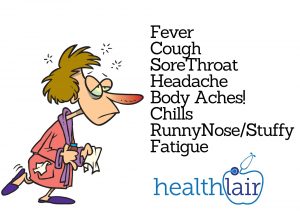
We will discuss the flu, its symptoms, treatment, prevention, and the risks of not protecting yourself. First of all, the flu is NOT a bacterial infection. It is a contagious respiratory illness, and the reason is the influenza virus.
Side note: It is NOT the same as the common cold or the stomach flu.
Hm: These sound pretty similar to a cold, so how do you know the difference? The flu can cause a HIGH FEVER, whereas a fever from a cold is a bit rare. The flu will also hit you SUDDENLY and HARD. Of note, the flu often leads to serious secondary infections like pneumonia or bronchitis, especially in high-risk groups.
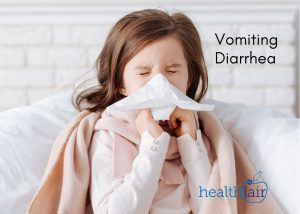
Symptoms vary; they can be mild to severe and can even cause death. So YES. You should get tested early so you can be treated early.
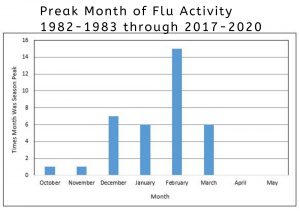
[OCTOBER–MARCH but may go well into MAY], and it PEAKS in FEBRUARY! Lucky for us, the CDC made a nice little chart, which I have attached to the left:
As doctors, we focus a lot on AT RISK groups of people. Certain age groups and certain chronic medical conditions increase your risk of not only getting the flu but also experiencing worse illness and even hospitalization.
So even if you don’t want a flu shot to protect yourself, Get it to protect your loved ones who are at risk of worsening symptoms and even hospitalizations. 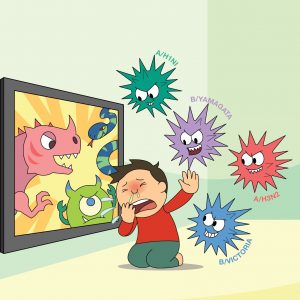
HOW IS IT TRANSMITTED?
OUTBREAKS ARE COMMON IN CERTAIN PLACES TOO:
Recently, I have observed that the flu vaccine has not been very effective, as individuals who received the shot are still contracting the flu. So let’s address a very common question: Could you please explain why I should receive the shot if it may not be effective? Every year a new flu vaccine is created based on the “most likely to be present” strains. If a new flu strain emerges that the seasonal flu shot doesn’t cover, you can get the flu.
There is a SUPER FLU SHOT. Do you know about it? Ha! I know it’s not because I love superheroes because I do. It’s just a high-dose flu, and it is about 24.2% more effective in preventing the flu in those ≥65 and older than the standard dose. There is also a lower risk of hospital admission compared with the standard dose, especially if those ≥65 and older live in a long-term care facility. ARE THERE SIDE EFFECTS? Just like the standard dose, and reported more frequently with the high dose, these are mild and temporary.

The majority of people have either minimal or no adverse effects at all.
“What if I have an EGG ALLERGY?” If your allergy = hives and itchy skin. You can get the vaccine safely. BUT, even if you have severe swelling of lips, face, respiratory issues, or recurrent vomiting, or if you’ve needed epinephrine for it in the past… YOU CAN STILL GET IT. Just make sure you’re in a clinic setting or hospital setting where you can be appropriately treated if needed. However, why do healthcare professionals like myself emphasize the importance of the flu vaccine and being aware of the flu? Because of the POSSIBLE: COMPLICATIONS
It can make a stable chronic condition. WORSE
TREATMENT AND BENEFITS?
You can, of course, stay at home and rest if you’re not in the high-risk group, hydrate, sleep, etc.
As always! I hope this stuff was useful. I know it is a lot of information.