

 Skip to content

In 2011, a mother lost custody of her 200lb 3rd-grade son for medical neglect. When enrollment into the “Healthy Kids, Healthy Weight” program was unsuccessful, and his weight kept rising, authorities got involved. The Department of Children and Family Services (DCF) took the mother to court and won, after which the boy was placed in the foster care system.?? This is the case of Childhood Obesity in Florida.

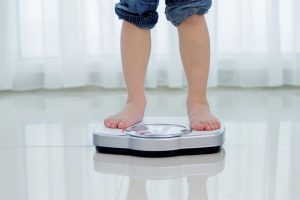
As a physician, I have seen the effects of obesity on health. Obesity is a risk factor for many life-threatening diseases such as high blood pressure, diabetes, strokes, arrhythmias, and heart attacks.????????
During my Masters of Public Health here at the University of Miami, I’ve learned that although the lifespan of the average American is increasing, the quality of life is not. Chronic diseases, such as diabetes and high blood pressure, are now the most prevalent.✓????????

This bullying increases their risk of violence, drug and alcohol use, risky sexual behavior, depression, self-harm, and suicide ideation. ✓


There is a need for a quick solution to prevent childhood obesity. However, reporting it as medical neglect would cause additional psychological harm. If not genetically predisposed, obesity is preventable with lifestyle modifications such as balanced meals, regular exercise, and adequate sleep. I suggest we start there at school and home.????????
In Florida, the average obesity rate for 2-18-year-olds is approximately 13%. Although a study by the Center for Disease Control (CDC) implemented efforts at the state, local, and community levels to lower childhood obesity, results were modest, and the study was limited to 2-4-year-old participants of the Women, Infants, and Children nutritional supplementation program (WIC).
 Also, a study shows that kids who had school lunch had a more balanced meal than those who brought lunch from home. Proves that interventions targeting both school and home must work together to affect change. Therefore, interventions at home must not only start early in the child’s life but with support of the school and guidance from their doctors. The initial response should involve a team of doctors from multiple specialties to reinforce healthy habits and to provide instructions and explanations as to why healthy choices are essential.
In terms of exercise, schools are increasing physical activity opportunities. But there is a need to extend them to after-school and the home. Every kid must enroll in a mandatory afterschool physical education program. The program should include sports for at least 45 minutes, with only healthy snacks and water provided. Healthy snacks should consist of fruits and veggies.?


Studies show that the more exposure to healthy food a child has, the more likely they are to continue eating it. Physical activity at home may have some limitations, such as access to a park, safe neighborhoods to play in, and involvement of the family. Therefore, there is a need to create home games to help children and their families exercise together and improve bonding opportunities. Besides, parents should reduce TV time since studies link it to higher body fat.✓

 Lastly, studies have shown that sleep deprivation negatively affects metabolism and weight maintenance. Physicians should educate the parents on the adverse effects of sleep deprivation through a school-sponsored Sleep Orientation Program. Instructions on how to create a good bedtime routine must also be provided. School counselors should keep track of school performance and in-class behaviors to identify kids who may be sleep-deprived.
Although the court ruling shows the severity of childhood obesity and possible parental consequences, the better way to affect change is not by instilling fear but through education.
Parents need clear explanations and guidance to understand why healthier behaviors are so important for their children’s health. Parents and caregivers can improve children’s health by increasing their exercise and providing balanced meals with fruits and veggies. They can also reduce the time children spend watching T.V. Improving children’s sleep routines further helps bend the curve on the rising prevalence of childhood obesity in Florida.
Such efforts might even decrease the prevalence of obesity in adulthood.?

