
 Skip to content

Depending on how high your A1c is, your doctor may try “lifestyle modifications” first. It includes all the preventive things I discussed in my post, “The Sweet Tea for Diabetes.” Next comes the glucose control.
Maintaining a healthy diet, engaging in regular exercise, and getting enough sleep are crucial, and it’s likely that you’ll have a follow-up in three months to assess your A1c levels.
But sometimes, your doctor will know that even if you do your part, your A1c is too high to start with to reach the goal with just lifestyle changes, or you may have tried the lifestyle modifications without enough of an effect on your A1c. So, they will likely recommend medical therapy.
There are many treatment options available, but the most common first choice is a medication called Metformin, provided you do not have any contraindications. As long as you don’t have any contraindications. I’ll think about writing a post on different treatment choices for type 2 diabetes, but let’s put that on hold.

Could you please explain the concern regarding elevated sugar levels? Why do you need to control so much? Well, it’s because you want to prevent complications. Let’s go over them. Now, this does not mean everyone with lower blood sugars will experience these complications. It does mean that if you control blood sugar levels for a long time, your chances of experiencing these complications increase.
These can be divided into an effect on small blood vessels (microvascular) or Large blood vessels (Macrovascular).

Effects on large blood vessels include stroke, heart attack, and reduced blood flow to the lower legs. In contrast, effects on small blood vessels include the kidneys, eyes, and nerves.
 Let’s go over each of these and why they occur, and then I’ll even throw in some complications of uncontrolled Gestational Diabetes.
On its own, reducing blood glucose due to diabetes is a considerable risk factor for stroke. There is a 4-fold increased risk of stroke in people with uncontrolled diabetes.
This risk is due to the effect of high sugar on blood vessels. Many people who have diabetes don’t know ways of controlling glucose levels, and this results in high blood pressure and high cholesterol. This situation further increases the risk factors associated with having a stroke.
Not only is the risk of stroke higher, but so are the number of days in the hospital, the risk of more significant disability after the stroke, the risk of another stroke, and the risk of stroke-related dementia (memory issues).
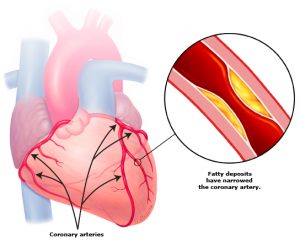
Your heart has its blood supply, called the coronary arteries. Since diabetes affects blood vessels, damage to these blood vessels can lead to decreased blood flow to the heart muscles. Less blood flow means less oxygenation in the tissues. Your muscles need oxygen to stay alive. Significant damage to the blood vessels can lead to chest pain and, in severe cases, a heart attack.
As I mentioned above, your coronary arteries are affected. But you also have arteries that feed your arms, hands, lower legs, and feet. These are referred to as peripheral arteries. At the periphery, get it?
Your hands and feet are the most distant from your heart. Your feet are even farther away than your hands. So it takes extra power to supply these areas with blood. If your heart is not getting enough blood because of damaged coronary arteries, it will have a difficult time working well. It means that less blood will be pushed out to your peripheral arteries. If you also have damaged peripheral arteries, your feet will get even less blood. Good healing requires good blood flow. So this can lead to decreased wound healing, therefore, chronic ulcers and infections. It can even lead to amputations.
Besides, sometimes walking too much can cause pain or cramping in your lower legs. It is termed ‘claudication’. It sometimes gets better once you sit and rest. It’s kind of like a ‘chest pain’ in your legs. It happens because when you perform an activity, your muscles need more blood, but they don’t get it because of your affected blood vessels.
It happens when the sugar in your blood coats your nerves. Short term, this is not too bad. But, in the long run, it causes nerve damage and nerve death.
Your entire body is full of nerves. Your body contains nerves that sense sensations on your skin, stimulate your stomach for digestion, and even play a crucial role in erections.
You might experience sensations such as tingling, similar to the feeling of ants crawling on your feet or hands. You may have issues with erections or impotence. Moreover, you might even notice you have slow stomach emptying, called gastroparesis. It can lead to feelings of fullness after a meal, nausea, vomiting, or acid reflux.
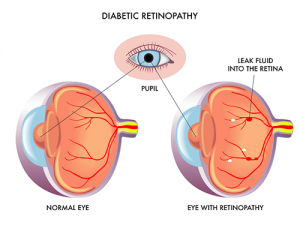
The long-term high sugar in your bloodstream leads to damage to both the nerves and the arteries that supply your eyes, leading to progressive blurry vision and loss of visual acuity. Diabetes is known to be the most prominent reason for damaged vision in people aged 25–74.
Your doctor will likely schedule an annual ophthalmology check to make sure your eyes remain healthy.
Nephro means kidney, yes, that’s right. Long-term uncontrolled diabetes can lead to kidney damage. One of the leading causes of chronic kidney disease and end-stage renal disease is diabetes. Many of these patients require dialysis to help filter their blood because their kidneys can’t do it anymore.
You might experience changes in your urinary frequency and amount. You might also notice swollen ankles or lower legs and even puffiness under your eyes.
Remember that some of these symptoms might occur with many other medical conditions. They are not specific to kidney disease.
Diabetes affects your circulation and even prevents angiogenesis (creation of new capillaries and arteries). For good wound healing, you need good blood flow. It leads to delayed wound healing, which increases your susceptibility to chronic ulcerations and, therefore, infections. It contributes to possible future amputations.
As mentioned above, you have a greater chance of catching infections. Not only because chronic wounds are predisposed to disease, but also because sugar is like food for bacteria. These infections, mostly if not “felt” or caught early, can lead to more severe conditions. These include disorders of the bloodstream called septicaemia. It can have catastrophic effects on your body, including causing it to go into shock. Moreover, it happens when the bacteria get into your bloodstream, causing vasodilation of all your arteries.
It results in additional difficulty for your heart to pump blood and keep your blood pressure high enough to get blood to your other organs and extremities. Furthermore, it requires hospitalisation and intravenous antibiotics. It may even need medications that help boost your heart so it can pump better and keep your blood pressure within acceptable ranges. Don’t forget that high blood pressure long-term is not right, but low blood pressure means that your other organs won’t get enough blood, which is also wrong.

Symptoms of infection:
And in the elderly, changes in mental status. Including confusion or not being able to wake up.
SUMMARY—The best way to control blood sugar, including “The Sweet Tea on Diabetes.”
You can control the sugar level effectively by employing acceptable practices. They can help you in developing natural sugar control, thereby making your body immune. Following your doctor’s advice is the best way to reduce blood sugar significantly and regain control over glucose levels.

As always! It is not medical advice.
It is meant to inform you of possible complications of diabetes, especially if uncontrolled. You should see your doctor for more information. You can always ask me general questions via IG or email, but make sure that you regularly see your doctor for timely care and prevention of diabetes.
I hope this post has helped many of you understand the long-term consequences of lousy glucose control in diabetes and why doctors will always emphasize the need for adequate dietary lifestyles, exercise, and sleep, and why they will offer the help of medications. Sweet tea and diabetes require mindful sugar control and healthier choices.
Eventually, the damage from uncontrolled diabetes can become so severe that it leads to serious health complications. You might lose consciousness in your hands and feet entirely. It becomes an issue because if you cut your skin, you won’t know or notice it, which can lead to unnoticed infections.
Since your nerves are damaged, the bones of your feet can get weak and even fracture. Since you have no sensation in your feet, you may continue to walk on them, which can worsen the fractures and lead to changes in their structure. It is called Charcot Foot, and it can also lead to amputations.
Your doctor will recommend daily foot checks for cuts or wounds. They may also refer you to podiatry once a year for evaluation.

