Greece Travel Guide I grew up under the guidance of a former pilot who transitioned into real estate and an interior designer who also pursued a career in real estate. I was taught early on that it’s always about LOCATION! Then, how was it possible that I let go of Greece Travel? TRAVELING is NO DIFFERENT! I have had the privilege to travel to some of the most beautiful places in the world, such as Greece, which is known for being famous, exotic, and inspiring. I have not travelled to every part of the world, but based on my experiences so far, I have formed some favorites. And I already have my favorites. ✓ Today’s location choice: GREECE. My love of Greece was sparked early on… IN BOOKS… IN A CLASSROOM! Greek Mythology stole my heart pretty quickly, and then when I was in high school, I was able to visit Athens, Mykonos, and Santorini. It was a dream come true, I can’t deny it, and I can’t wait for the day when I get to go back. The thing I love about Greece is its history! The mythology! The Mediterranean Diet! HELLO! When I travel, I go crazy for food! Good food! And boy did I find it while in Greece. Monuments I love during Greece Travel Let’s talk monumental… whoops, I meant monuments! HA! My favorite of all the temples in Athens was the temple of Poseidon… the god of the Sea. Why? It’s not just because I love the water. But the temple was intentionally built to oversee the SEA! At the summit of a stunning hill, this stone monument was constructed, offering a view of the beautiful open water behind it. The sight was breathtaking, which is why it remains my favorite. The sight was breathtaking, which is why it was my favorite. Before this trip, we were reading about Lord Byron, who is a famous British poet. And guess whose signature I found on one of the stones on POSEIDON’S TEMPLE? YES!! Lord Byron’s! I snapped a picture and everything! I was very excited. Nerd alert, I know. I do that a lot, especially when travelling. That is why I love it! I get to be where these ancient philosophers, writers, musicians, and politicians were. You can share a spot with history… and it’s an incredible feeling. But Athens was not my favourite city in Greece, though it may seem so. No… my favourite was and still is Santorini. Now, this is the place I would love to retire to one day. Buy my own white house with blue windows. I was overlooking the gorgeous blue ocean. Walk up and down the narrow steps, winding all around the City, eating delicious Olives and Mediterranean food. ✓ My first experience in Santorini has been the root of A LOT of laughter in my family. We still talk about my particular experience up the mountain on a donkey… all the way to the top, where we were finally able to dismount this crazily hilarious animal, walk around the town… meet lovely people and eat delicious food. So what is this story? We recount this tale as frequently as we can recall. Picture it. I was about sixteen years old. First time in Greece. First time in Santorini. I was given a choice: “Should we go up on the lift or the donkey?” Adventurous young me (still brave older me) said: DONKEY! So there we were my parents and I, each mounting our donkey. Our guide… on foot, climbed the steps, directing the donkeys from the bottom to the top. ✓ Let’s just say… a person who is deathly afraid of heights, like, oh, I don’t know. ME! Should probably not have chosen the one experience that means looking over an abyss! Down a tall mountainside WITHOUT RAILINGS! On a donkey! Their hooves kept slipping and sliding on the muddy gravel ground. At one point… the donkey got so close to the mountainside (the safe side) that it scratched my leg because it was made up of sharp, rough, and dirty stones. I instinctively raised my left leg as high as I could so high… that when my mom’s donkey (that was ahead of me) slipped on the gravel ground, it backed into my donkey and towards my toe… I inadvertently stuck my big toe under its tail and into its butt! And my toe ended up covered in DONKEY POOP! Yeah, yeah, laugh it off! HILARIOUS! I did NOT think it was funny at the time. My initial response was disgust and to scream, almost cry! My parents were dying of laughter. The donkey kept getting so close to the mountain that I got scrapes on my legs. I had donkey poop on my big toe, and if that was not bad enough… we were NOT even halfway UP. Meaning, I had to keep this donkey poop on my big toe for the whole way up so I could clean up. Then when I was finally beginning to get over the nastiness that I had on my foot (sort of). A considerable group of donkeys was descending the mountain beside our donkeys, who were ascending. Bless these not-so-smart animals… but my donkey decided, oh, it’s time to descend! So it made a U-turn and started slipping DOWN the mountain… on the side closest to the deathly abyss! I started freaking out! Screaming. Yelling… my parents were half laughing, half crying, and half freaking out, worried sick (I know three halves doesn’t make sense… you know what I mean). During my trip to Greece, the guide named Ran Down retrieved my donkey and returned it to the line of ascending animals. My heart was racing! But I was okay! By the time we made it to the top of Santorini, the poop had dried and fallen off… all I had now was poop ash on my toe, which I immediately cleaned off before we walked around town. My adventure UP
Pilot Health Risks In today’s day and age, about 8 million people use planes on any given day. More than 3 billion people use jets to travel, but we often forget the real protagonists in these stories—the commercial pilots. People always ask, how was your flight? Typical answers would be “it was fine”, “service was good”, or “I slept through the whole thing”. How often have you heard someone say, “the pilot brought us safely,” or “we had outstanding pilots”? That’s right, rarely, if not ever. It is only during crazy, life-threatening occasions that commercial pilots ever really make an impact in someone’s life. Just look at Sully and all the media that followed after his heroic landing in the Hudson. So I have decided to dedicate some time to our pilots and their health, both men and women who get us from one place to another safely. My father is a pilot, and my grandfather was also a pilot, which makes this topic a personal interest for me as well. Additionally, I recently ran into a family friend, also a Commercial Pilot. He mentioned that many pilots have many health issues. I suspected pilots would suffer illnesses related to long working hours, lack of sleep, long periods of sitting down, and chronic stress. These would include depression, anxiety, heart disease, deep venous thrombosis (DVTs), obesity, and obesity-related diseases. What I found was quite impressive. ✓ When I first started my research, I thought there would be an innumerable amount of information to find on pilots specifically. Surprisingly, there wasn’t as much as I had initially expected. From what I did find, three things jumped out at me, some expected, others not so much. Depression and anxiety Malignant melanoma Obstructive sleep apnoea I have heard so many things about why one of these is better than the others, why you should cook with some but not all, why cooking with one is bad, etc. The advice is endless, so instead of being another person to give you information on this, I’d rather lay out what you should know about each of these delicious oils, and then you can decide for yourself which to use. I will also tell you which ones I use – maybe only one, perhaps just two, maybe all three… maybe none? Who knows! Keep reading to find out. ✓ Depression and Anxiety A study reported that pilots who spend long hours working per week were twice as likely to report symptoms of depression and anxiety. Any job that requires long hours and little rest will cause severe fatigue. This is an important topic, but depression and anxiety are far too big for me to discuss in just this one post. From my sleep deprivation post, you will notice that depression can be a side effect of lack of sleep, so I won’t delve into this topic here, but feel free to request it, and I will in a separate post. If you are a pilot and are experiencing: ✓ Feelings of sadness or depression Loss of interest in things you used to love doing Inability to concentrate Moving slow Thoughts of hurting yourself Please schedule an appointment with your doctor and speak to them. I am not saying you are suffering from depression, just that there is a chance you might be, and it’s best to talk to a doctor about it. A doctor can decide your next step after a thorough evaluation. Malignant Melanoma A study found that there are high rates of malignant melanoma of the skin among commercial pilots. There was what’s called a dose-response, such that those exposed to longer hours of radiation showed higher rates of melanoma. Any time there is an odd spot with a weird shape and different colors that makes you a bit worried or curious or uneasy. make an appointment with a doctor (dermatologist) and make sure it’s nothing more than just a spot. Obstructive Sleep Apnea What surprised me most was the risk of Obstructive Sleep Apnea (OSA). In fact, in a study of 328 pilots, almost 30% of them were at risk for OSA and needed further assessments. This kind of study was not too big, so generalising to “all pilots everywhere” cannot be done, but it was high enough for me to write about this. What exactly is OSA? It’s inadequate sleep characterised by moments of total pause in respiration caused by obstructed airways. This causes the person to wake up briefly, allowing them to resume breathing and fall back asleep. It leads to a loss of much-needed sleep, both quality and quantity—people with OSA often complain of daytime sleepiness or feeling very tired of waking. OSA also poses other health risks like cardiovascular disease. But that sounds like a separate blog post altogether. The good thing is that in January 2014, The Guide to Aviation Medical Examiners reported that pilots deemed at high risk of OSA would be screened. So as you can see, specific jobs can increase your risk of certain diseases. This includes the type of situation and how the job is done. Whether you are standing for long hours or sitting endlessly. Whether or not your sleep cycle is disrupted. All in all, it is important to always go to your annual check-up. Talk about what has been bothering you. Many times the simple complaints of “I always feel tired no matter how many hours I sleep” are very important. So don’t feel like your complaints aren’t severe enough to warrant a visit to your doc. ✓ Take great pride in recognising that there is something going on with your sleep, appetite, or well-being. Recognising a change is the first important step. The next is telling a doctor about it. The last thing: these conditions are not only for commercial pilots. So if anyone reads this and feels as though what they’ve read sounds a bit too familiar, make an appointment with your doctor. It’s time to get yourself checked out. ✓ On that note,
How do two weeks of exercise benefit your health? Our caveman ancestors were built to move. To run, to lift heavy things, and to stretch their bodies much as cats and dogs do. We are beings of movement… but lately, we are more inclined to be couch potatoes. To again live a good life, we must learn the benefits of Exercise. Today we will go over the reasons why exercise is hugely beneficial for you! We’ll also talk about what sedentary behaviours are and why they are so bad for you. Also, make sure you watch till the end to hear this week’s challenge! Prepare to be mind blown! See more. 8 reasons why you still want to eat – even after you just ate. That’s right… because what I am about to tell you will make you want to get your inner CAVEMAN or CAVE-LADY moving. First things first: Safety. Before you start any crazy exercise routines, make sure that you have a good bill of health from your doctor. So give your doctor a call and get yourself checked out before you start training for a triathlon. (person – gets painted like a checkered board, “checked out”) Okay, so did you know that there are three different types of exercise? Right? Who knew! I always thought the training was exercise too! Exercise encompasses various forms such as weightlifting, sports, running, walking, yoga, pilates, and more. These are ALL exercises, but if you notice, there are some features of each that others may not have. So what are these different types of exercise exactly? The American College of Sports Medicine provides the following breakdown: 1) Cardiorespiratory Exercise 2) Resistance Exercise (weight training) 3) Flexibility and Neuromotor Exercise You should be participating in ALL THREE types of exercises. Sounds crazy complicated and like a lot of work… It may even sound impossible to fit into your busy schedules, but don’t worry! We’re here to start small and find the time where there isn’t any! HA! Each of these categories has its benefits, and I think it is super important that you guys know them. But how much exercise should you do? Give thanks to the American Heart Association for giving us this info: Adults should engage in at least 30 minutes of moderate exercise five days a week. For a total of 150minutes a week! This means go for a fast walk, dance a little, go hiking, garden a bit, or ride around on your bike. Or, you could do ≥25 minutes of vigorous exercise 3 days a week. For a total of 75 minutes a week! Does this mean dancing salsa or merengue? Are you kidding? This is the most insane workout ever; it’s no wonder Zumba gets you all sweaty or OUT OF BREATH! That’s the KEY here. If you can chat with a friend or gossip, it’s not vigorous enough. Come on; you got this. Let us pick up the pace! Adolescents should aim for 60 minutes every single day. In the next few weeks, we’ll talk about each type of exercise and how to do them. If you’re new to any of this, don’t worry. We’ll work through it with you… plus, it’s NOT as hard as making beans overnight without a crockpot. Making the time for exercise well…that’s a whole different story, let me tell you. Days can get super busy, and it happens to everyone! There is no shame in that. Luckily you’re about to get a few tips on what to do so you can start squeezing in some exercise despite your nutty schedule. For example, You don’t have to do it all at once! You can also split it up into 3 different sets of 10-20 minutes if that’s all you can squeeze in! The idea is to SQUEEZE in the daily or weekly recommended amount! Okay, now let’s get into the benefits of engaging in exercise in general. Top Health Benefits of Exercise: There are some pretty excellent benefits to exercise, running, swimming, cycling, stair climbing, weight training, pilates, yoga, and EVEN just walking for 30 minutes every day improves so many areas of your life. For one, it can protect you from developing diabetes. If you do have diabetes, it can make your body more sensitive to insulin. It helps keep a healthy weight, which is incredible both for your physical health and your mental health! It also reduces some cancers and falls. Moreover, it even makes your bones stronger, so guess what? If you do fall, you are less likely to fracture something! Are you having trouble sleeping? Try doing a little exercise! Exercise also improves your mood! Who doesn’t love being happy and smiling and being silly because you’re having a good day? I know I do! And what if you have a chronic pain condition like knee pain or back pain? Simply walking for 150 min a week has been shown to improve pain symptoms as well. But I am about to give you TWO of the MOST AMAZING benefits: Your BRAIN! It improves your cognition! Improves your attention and therefore school performance! It also enhances cognition in people who have Alzheimer’s or dementia. So all groups of people can benefit. Your HEART! Exercise reduces the stress on your heart while you’re doing your daily activities. You won’t get winded as easily when climbing stairs and won’t need as many breaks if you’re playing outside. It helps lower your blood pressure and your cholesterol. It helps protect you from a heart attack, and if you’ve already had one, then it can protect you from getting a second one. Never in my wildest dreams did I entertain the idea that I would become a fashion designer. I am no longer concerned with sensation and innovation but with the perfection of my style. Bottom line… exercise makes you smart, happy, secure, and healthy! Last thing to know: The time you spend watching TV, playing video games, using a computer, sitting at a desk, or being
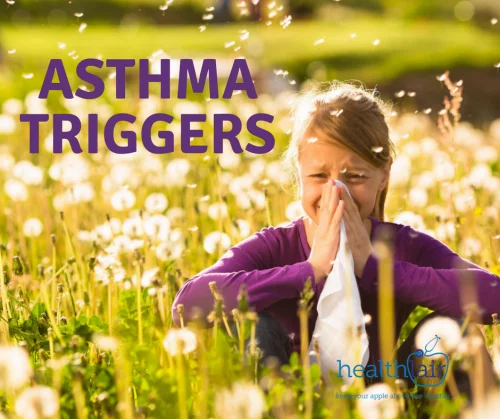
Asthma Triggers The World Health Organisation estimates that 235 million people worldwide have asthma. So you are NOT alone if you are dealing with this yourself. If you don’t know asthma triggers and causes, let’s read with Dr Vero. Why have I decided to write about this? My mom has Asthma; my sister has Asthma, so do my brother-in-law and my nephew. My nephew has been hospitalised multiple times for his Asthma. When he was younger, his symptoms were much, much worse. He is 8 years old, and his Asthma is very well controlled now. Fewer episodes and quicker resolution of symptoms, and I think this is because of many factors. First off, my sister is phenomenal. She was always on top of his medications, the timing, and the amount. She tracked how often he had episodes, how severe they were, and how often she had to give him his meds. All of this information is crucial for doctors (in this case, his paediatrician). See More at Post Traumatic Stress Disorder (PTSD). All these things determine the severity of the symptoms and which medications need to be added, changed, or removed. This is why paying attention to all these things is very important. Another factor: my nephew was taken to an allergy specialist and was tested for possible allergens. Why was this an important step? Allergies can frequently trigger an episode of Asthma. But I will get into those ‘asthma triggers’ in a minute. Since many of my family members have Asthma, I consider myself extremely lucky not to have it; however, there have been times when I felt my chest tighten while exercising hard in cold weather. Is there another trigger for asthma? Hmm, let’s get into it after I discuss Asthma and its symptoms. What does an asthma attack or episode look like? The symptoms of asthma include difficulty breathing and wheezing. It can be accompanied by chest tightness and some pain due to lung inflammation. An essential feature of Asthma, especially in children, is a cough present at night when they are asleep. The cough will wake them up. Parents should be aware of this crucial information, particularly if their child suffers from Asthma. What Causes Asthma? No one knows the exact cause. There is a genetic component. If parents or sisters have Asthma, the child is more likely to have it. If the child has any other allergic conditions like atopic dermatitis (eczema) or allergic rhinitis (hay fever), they are also at higher risk. Some environmental factors can increase a person’s risk of having Asthma. Exposure to cigarette smoke as a baby or child is a huge risk factor for developing Asthma. Being a smoker or being overweight can also increase your risk of having Asthma. What about asthma triggers? What will trigger an attack or episode? This is the most essential part of this article. Why? Many people with Asthma already know they have it, and they take medication. However, not everyone will know what caused or triggered the event. I will list a few things here that can trigger asthma symptoms. Some are obvious, but others are not that obvious and maybe not very well known. Allergies Dust, carpets, mould, pets (not their fur… their skin…) flaky skin known as pet dander will cause the allergic reaction and induce Asthma), dust mites, and cockroaches too. Pollen, grass, and flowers Tobacco smoke Any kind of irritant at work Pollution Viral infection, or the flu There are a lot! It’s nearly impossible to avoid them all! BUT it is crucial to notice which ones triggered you or your family members so you can begin to predict an episode. There are other asthma triggers, too. Cold air Extreme emotions (anxiety, panic attacks, anger, laughter) Exercise! What if you only get symptoms during the week and never have them during the weekends? Consider Occupational Asthma This is Asthma associated with work. There is something in your work environment that is triggering your Asthma, and it’s something to look into. What if you’re exercising and suddenly feel chest tightness, cough, and wheezing? Could be Exercise-Induced Asthma It can be treated and prevented! Which is why I am mentioning it here. It doesn’t mean working out less or less intensely or avoiding exercise at all. It means see your doc and get your medication and instructions on how and when to take it so you can still get that run in. Overall Asthma is a chronic condition. Usually starts in childhood, maybe even teenage years. In the USA alone about 25 million people have asthma, and of those, 7 million are children. Boys have it more than girls, but once they’re adults, men and women have it equally. Some may have severe asthma that needs daily medication regardless of whether or not they have an episode. Others have minimal symptoms and only use the inhaler when needed. Symptoms can get better as the years go by and even disappear. They can also get worse. They can also come back as people get older, even after the person has been asthma-free for years. Asthma has become a public health issue in both developed and developing countries. According to the WHO, 80% of fatalities due to Asthma are occurring in developing countries. If this wasn’t a reason to write about this, then let’s get a little more personal. My mom has Asthma. This is a bit of a side note, but if you follow me on IG, you would have seen that a while back, I got a French bulldog; her name was Sammy. She was all cream. And then she disappeared from my stories and was never spoken about again. Why? A few months ago, my family and I had just returned from Cartagena. The humidity and mould of the old buildings started taking a toll on my mom’s lungs. Then, she got a viral infection. When we got back, my mom had already been exposed to two triggers: mould (she’s allergic to it) and viral infection.
Olive Oil Benefits Do you know the benefits of olive oil and sesame oil? WHICH ONE is better? The choices are plenty… so which one should you choose? There is olive oil, or, as one of my favourite Food Network ladies, Rachel Ray, says, “EVOO” (Extra Virgin Olive Oil)—add a little oil to your life! As I know many benefits of Olive oil. We also have Sesame Oil and Coconut Oil. I have heard so many things about why one of these is better than the others, why you should cook with some but not all, why cooking with one is detrimental, etc. The advice is endless; therefore, rather than adding to the information overload, I would prefer to present what you need to know about each of these delicious oils so that you can make your own decision on which one to use. I will also tell you which ones I use – maybe only one, perhaps just two, maybe all three… perhaps none? Who knows! Continue reading to find out. check out more. “What the Health” 7 Conclusions Part #1 Let’s Start with the Benefits of Olive oil. As shocking as this sounds, in 2015, the world consumed a record of 3,295,911 tonnes of olive oil! OMG, that’s a lot of EVOO! According to a cool website called Olive Oil Times, the top three consumers of olive oil are: 1) Italy and 2) Spain. 3) the United States. It looks like we’re not #1 in everything, Jaja! (Jaja is the Hispanic version of haha… just a little side note.) So in what foods is olive oil most used? Mediterranean meals! I myself use olive a lot too. Love the added taste, love the texture it gives a salad. But mostly, I love that it’s high in GOOD fats (monounsaturated and polyunsaturated). (a glimpse into Benefits of Olive Oil.) These are the two fats you want to see on a label of anything you consume. It does have some BAD fat (saturated). About 1.9g, but it’s tiny compared to the amount found in another oil listed above, which I will talk about in a second. Many people are concerned that cooking with oils like olive oil will increase the levels of a harmful type of fat known as trans fat. A study was conducted, and it turned out that the amount of trans fat produced after the heating process, like in a ‘stir fry’ style, was so low it could be declared as 0 trans fat. According to the Food and Drug Administration (FDA), if a food has less than .5g of trans fat, it can be declared as 0 trans fat. So that’s some useful info there. But I’m sure you guys all know the benefits of olive oil. They’ve been publicized for a long time, but I’ll write them in any way. It lowers cholesterol, triglycerides (TAG or TGs), LDL (which is the BAD fat), weight, and BMI, all while increasing HDL (GOOD fat). Therefore, it possesses superior properties overall! Next, let’s talk about coconut oil. Why? Well, someone once told me that cooking with coconut oil was cancerous. So I decided to look into this myself and see what I could find. I’ve never used coconut oil, but it’s only because I love sesame and olive oil. Someone also asked me if coconut oil was better than the others. Coconut Oil Coconut oil has more saturated fat than the other two. It has around 13g of saturated fat. Although promoted as a very healthy oil with cardiovascular benefits, the American Heart Association suggested that it should not be regarded as a better form of saturated fat. What does this mean? Too much coconut oil is as hazardous as eating other items with the same amount of saturated fat. A systematic review (which is a combination of studies pooled together to give the results of an education more power) on coconut oil and cardiovascular disease concluded that coconut oil raises both HDL (GOOD) and LDL (BAD), but not as much as butter. The study results were unable to support the claim that coconut oil is healthy and would have cardiovascular benefits. While the study acknowledges the need for further research, what are the key findings? It has more saturated fat (BAD) than the others, so consume it more sparingly as you would any other item high in saturated fat. Not enough is known yet; it’s a relatively new trend. I’ll keep looking for further info! Promise! Lastly, the benefits of sesame oil. I love this stuff! I put it in all my salads and use olive oil only when I’ve run out of sesame oil! What’s the reason? I don’t know why. There’s a taste that I love, and I can’t put my finger on it. I also put a drizzle of it over my tofu or quinoa. I LOVE LOVE LOVE IT. So what’s in it? Like olive oil, it has monounsaturated and polyunsaturated fats (Shortened to MUFAs and PUFAs). I always laughed at this when I was in medical school. Somehow, I remembered they were the good guys. It has the same amount of saturated fat as olive oil too. 1.9g. Now, research has found that it has similar effects to olive oil, but with some differences. It has a more substantial impact on cholesterol, TAGs, and LDL than olive oil. It also lowered weight and BMI while increasing HDL. Note that it had a more substantial effect than olive oil on a few things. Can you cook with sesame oil? Someone told me you don’t. That it’s just a seasoning, I have never used it to prepare, but not because I thought I couldn’t. Since someone said don’t, I decided to look into that! I’m curious, what can I say! One study found that cooking sesame oil increases sesamol, which is an antioxidant in sesame oil. We know the benefits of antioxidants as being anti-ageing, anti-cancer, and anti-plaque building in the arteries (anti-atherosclerosis). All good. Is
Doctors continuously tell you to engage in more physical activity because it’s right for you. Do you know what the benefits of regular exercise are? But why is it useful? Do you know that people have found benefits of regular exercise? I’m going to provide you a few reasons why regular exercise is so essential to your health so that if a doctor ever tells you, “do more physical activity… it’s Advantageous for you,” you can say, “I will… because NOW I know just how advantageous it is for me.” Benefits of Regular Exercise 1. Heart Health Exercise reduces the stress on your heart while you’re doing your daily activities. You won’t get winded as easily when climbing stairs and won’t need as many breaks if you’re playing outside. It helps lower your blood pressure and your cholesterol. It helps protect you from a heart attack, and if you’ve already had one, then it can protect you from getting a second one. 2. Brain Function It improves your cognition! Improves your attention and therefore school performance in you or your kids! It also enhances perception in people who have Alzheimer’s or dementia. So all groups of people can benefit. 3. Diabetes The most common type of diabetes is Type 2, aka insulin-resistant diabetes. Your body can still make insulin, which helps your body use the sugar in your blood. The problem is that your body has become resistant to it, so even though you have insulin, you don’t use the sugar, so you get high sugar in your blood, which does all kinds of nasty things to the rest of your organs. But that’s a topic I will talk about another time. How does exercise help? It makes your body more sensitive to insulin. This means that regular exercise may normalize your blood sugar without any medications. One of the benefits of regular exercise that most people don’t know. Or, if you are taking medications, it can help reduce the amount you need to take and even the amount. Or it will just help amplify the effects of your drugs and keep your blood sugar within acceptable levels. Read More: eight reasons why you still want to eat—even after you just ate. 4. Chronic Pain Symptoms Chronic pain can be, and often is, debilitating. Chronic back pain, neck pain, and illnesses such as fibromyalgia cause severe distress and loss of quality of life for those diagnosed. The evidence is a bit mixed, and results are more subjective, meaning that it’s based on people’s words rather than some kind of objective measurement. Exercise has been shown to improve pain symptoms in multiple types of pain: lower back pain, fibromyalgia, rheumatoid arthritis, and even osteoarthritis (from overuse). Important to know here exercises, if never done before, will cause NORMAL muscle soreness. The more you do it, the more your body will get used to it, and the pain will decrease. Don’t get discouraged. You can do it! 5. Stability and Injuries – Exercising improves joint strength…✓ Strengthens the muscles around each joint. This is important to maintaining the right balance and stability. It prevents falls and injuries. Both factors are extremely important as you get older. 6. Bone Strength Exercising improves your bone strength, which means that even if you lose your balance, trip, or fall, you are better protected against injury. Muscle strength is a good predictor of bone strength. You are less likely to break something. How does exercise improve bone strength? Bones are meant to give support to the body, mainly the muscles… ✓ The bones in your body adapt to the forces put on your muscles so that if you exercise them regularly, your bones will grow more robust so they can maintain your muscle mass without injury. It’s kind of like how your muscles become as you carry more weight. The muscle adapts to the pressure put on it. The bones do the same: more exercise, stronger muscles, and stronger bones. The best way to do this is an exercise that uses gravity—resistance training. So, although there are benefits to walking and running, the best activities to benefit your bones are resistance training like weight training or vibration exercises (meaning standing over a vibrating platform). The best form of exercise regimen is one that includes weight training, endurance like cardiorespiratory exercise, and practices that improve flexibility. 7. Immunity? Exercise improves your immunity! Although endurance trainers and elite athletes often report upper respiratory infections, regular moderate-intensity exercise enhances your protection! This is extremely important for all of you, including me! But even more so among patients who are at higher risk of infections, like those with diabetes, older age, HIV, and cancer. 8. Quality of Life? Quality of life refers to specific life attributes, including physical wellbeing, emotional wellbeing, health status, and disease status. Exercise has been linked to improved quality of experience in the elderly, those with cancer, those with chronic diseases like diabetes, and even those with Parkinson’s disease. 9. Sleep Quality? Regular exercise improves sleep quality. For students, for example, activity should be maintained, especially during times of high stress, such as exam week, to buffer the harmful effects of this stress. Training also increased sleep duration and deep sleep while decreasing light sleep. Also, regular exercise can improve sleep time among older adults as well. There is also support for the idea that overall fitness predicts sleep quality. The lower physical activity lends itself to an increased risk of insomnia. It even improves sleep in those diagnosed with diabetes, sleep apnea, obesity, hypertension (high blood pressure), rheumatoid arthritis, and postpartum women (after giving birth). In sleep apnea, severity was decreased by weight training, not weight loss. 10. Mood? Exercise has been shown to improve symptoms of depression, anxiety, and negative mood. It even enhances low self-esteem. Not only that, but it has been shown to improve mental health in those with bipolar disorder, although the data is relatively new. 11. Healthy Weight? Regular exercise helps suppress your appetite. This means that
The most popular sport in the USA is American football. like American football. About 1M high school, you wear. Every year, there are 70K collegiate and 2000 professional participants in American football. And yes, all physical activity is beneficial! And even team sports have beneficial effects on our youth! But is there more to this than meets the eye?? Of course, there is! Hello! Okay, so because it’s Super Bowl Sunday today! I thought, what better topic to tackle? PUN INTENDED! ✓ So let’s get into what these benefits are but also what the possible long-term implications to a football player’s health may be. Because if you weren’t curious before, I bet you are now! Let’s do a quick rundown of the benefits of playing American football, and mainly a team sport. Mental Health Improvement and Mood a. Exercise releases endorphins and makes you feel happy! It can help improve symptoms of specific mental health issues such as anxiety, PTSD, depression, etc. Use also alleviates the physical symptoms of fibromyalgia. ✓ Weight Managementa. There has been a massive increase in the rates of childhood obesity in the last decade, and participating in any physical activity is beneficial to a child’s health. So yes! Play sports! ✓ Concentrationa. It helps you concentrate and even improves cognition later in life, and if you have ADHD, it can improve your attention and impulse control. Great benefits! Glucose Tolerancea. By improving your sensitivity to insulin. Exercise of any kind helps keep your blood sugar in check, and if you have type 2 diabetes, it helps maintain lower sugar levels too. So it’s suitable for diabetics and non-diabetics alike. Bowel Movementsa. The more you move, the more your bowels move! Self-Confidencea. It has been shown that team exercise has a more substantial effect on continuing to engage in practice than individual training. Team sports, regardless of the type, have also been shown to improve self-confidence and lend themselves to a sense of belonging—extremely important things, especially in today’s era of bullying and low self-esteem issues. How about the health implications? Keep in mind that this is NOT meant to keep you all from engaging in American Football. Just as with any sport, health risks and injuries are possibilities. But I bet you don’t think of those very often unless it benches your favourite player! . ✓ As in any team, there are differences in the roles a player will have. To make it simple… players on the line of offence and even defense need power. To push the other line, to block the offence and protect the Quarterback from getting sacked! Okay, so admittedly, I’m more of a football fanatic (soccer), being Colombian and all, but I also know other sports too! So, what are the possible health effects of American Football? Obese Range BMI Now, another thing to mention is that many football players have higher Body Mass Indexes (BMI). BMI that in the general population is classified as obese (BMI>30). Because of the different roles players can have, a difference in body mass index (BMI) was seen between those who were linemen (defence and offence) and those who were non-linemen. You know, the ones that run to score! The Quarterback, the kicker. High Blood Pressure and Coronary Artery Disease In general, NFL players were found to have higher blood pressure than healthy young adults in one study. But there have been some differences between the pre-season and post-season blood pressures. It turns out that before the season starts, blood pressures are lower, and after the season, their blood pressures are higher. No clear-cut decision has been made on whether or not these have any long-term health effects. I think, like all things in medicine, more research is needed…✓ Sleep-Disordered Breathing Because of the elevated BMI in many of the players, they often suffer from obstructive sleep apnoea. This means that when they’re sleeping, they have a few seconds of no breathing at all (apnoea). A big snore wakes them slightly from a deep sleep, and they continue to breathe. These episodes can also lead to high blood pressure, so it’s not just a breathing problem. Concussions Did you know that a concussion can increase the person’s risk of suicide threefold regardless of whether or not there is any psychiatric history? Many concussions can also increase their risk of depression and even cognitive impairment. ✓ Spinal Injuries and Lower Extremity Injuries Physical rehabilitation may be necessary to recover from both injuries. Next time you watch your favourite teams play and see the tackles, jumps, and sacks, I hope you realize just how much stress these players are putting their bodies through. Admire their dedication to a sport that can hurt them just as much as help them. Yes, it’s entertainment, but it has so much to do with health and wellness, too, just like
PINEAPPLES YOUR HEALTH & YOUR TASTE Pineapples are a great fruit.???? Do you know what the health benefits of pineapple are? They are part of Polynesian cuisine. I love making pineapple rice with shrimp and paprika. They are incredibly refreshing, and I love pineapple juice! But I bet there are a few things I could tell you about this beautiful yellow fruit that you had no idea were real!???? What makes pineapple so beneficial? Bromelain! It’s a compound from the fruit and stem, and it has a lot of health benefits. These include: Because of its activity on inflammation, evidence shows that it may reduce the number of days in a hospital after surgery if bromelain is given before surgery. It may also even lessen pain, swelling, and bruising. According to one study, bromelain has some amazing benefits in sports injuries and acute injuries (meaning severe and sudden onset)???? Wound Healing Pineapples Bromelain has been used in the past as a cream for people that have to get burns cleaned, to remove dying tissue. It not only helps to clean away dying tissue; it also promotes healing and protects the healthy tissue. Anti-Cancer Activity Evidence shows that bromelain can change the pathways that lead to fatality, aka cancer. It increases the death of cancerous cells, to put it simply. Usually, cancer cells don’t die, and they keep multiplying; this is generally because of an issue in apoptosis (or scheduled cell death, aka cell suicide). If the cell doesn’t die naturally at the right time, it can lead to cancer. Bromelain increases the expression of cell death activators. Anti-Thrombotic & Circulatory Agent Bromelain improves circulation by making blood thinner. This means less clot formation, fewer strokes, and less chest pain (in medicine, its called angina pectoris for the curious George’s out there!). It is also great for high blood pressure. Evidence shows that it decreases the risk of getting cardiovascular disease! Can Relieves Symptoms of Osteoarthritis Osteoarthritis is the most common form of joint pain in the USA. A study compared the effects of bromelain and diclofenac (an NSAID – non-steroidal anti-inflammatory drug = like aspirin, ibuprofen, naproxen). ???? They found that after only 6 weeks, both people taking bromelain and people taking diclofenac had similar improvements in symptoms. I am not saying you should stop taking your NSAIDs and start eating more pineapple. What I am saying is that pineapple might help you, and if you are in less pain and so you take fewer NSAIDs, then it’s a win-win! It can also help with Diarrhea! It turns out that eating the compound in pineapple prevents the bacteria that commonly cause Diarrhea (e. Coli, vibrio cholera) from attaching to your bowel wall. This, in turn, doesn’t let the bacteria cause diarrheal symptoms. Another study found that the compound may interact with specific receptors in the body that might otherwise cause extra fluids to be shunted into your bowel, which would give you a more watery stool.???? Many cultures already know of these incredible benefits of pineapple, which is why pineapple is one of the most important ingredients in folk medicine for centuries. They have used the fruit to treat inflammation of the bronchus, sinuses, and joints. But what else can this wondrous fruit do? Although studies have not been conducted to research the effect of pineapple consumption on the way your bodily fluids taste, many anecdotal stories have expressed that eating pineapple has made their semen and vaginal secretions taste sweeter. It is no mystery that eating certain foods will alter the way you smell, but reports show that they also change the way you taste. Like I said, although NOT proven by science or research, tons of people, including men and women, report better tasting semen and vaginal fluids after their partners changed their diets to include more pineapple. Other foods also do this, as well as staying adequately hydrated, but that’s a different blog post…maybe If you don’t like pineapple, or have acid reflux and were told not to have any acidic foods, or never plan on eating them, but still want the benefits, bromelain also exists as a dietary supplement. Talk to your doc to see if this is something that would benefit you! Never do things for your health without letting your doc know. Sometimes certain things can change the way you metabolize the medications you take. Overall, pineapple itself is the best way to get its benefits. I’m a big believer in diet and getting all your nutrients through the food itself, but obviously, we all have different beliefs and dietary practices, and I respect and appreciate them all! Share your experiences with pineapple here! I’d love to hear them.
Health Benefits Of Drinking Water We’re always being told we drink more water. It’s right for you! Water and Its Benefits: Stay hydrated; it’s right for you! But what is it suitable for? Are you familiar with some or perhaps all of the reasons? Maybe you do, but just in case you have a few curiosities. Here is the answer to the Health benefits of water. PS: Before we dive right in, I want to clarify that this post is a little different from my previous ones, which presented a lot of scientific and medical information. I can always dive further into any topic you like, but for water, I would rather not drown you in too many details. PUN INTENDED, ha! Okay, here we go to the health benefits of water, in no particular order. Thermoregulation When it’s hot outside, you sweat; when it’s cold, you shiver to increase heat, and you sweat. Regardless of the weather conditions, your body will experience fluid loss. So regardless of the climate, you have to drink water to ensure that you don’t become dehydrated. Could you please explain why it is important to stay hydrated? Sweat and its evaporation from your skin allow your body to cool. Not having enough water to sweat means your body temperature won’t be well regulated. Heat Stroke is a huge problem, and it often occurs in athletes that work out outdoors under the glaring sun. Let’s not forget the importance of body temperature control in the elderly. The elderly cannot handle heat as well as younger adults, mainly because they have more water losses from their kidneys, and they also tend to drink less water to begin with. Exercise Performance Losing as little as 2% of the body water has been shown to decrease performance during exercise. Reduces endurance, causes fatigue, lowers motivation, and makes you feel like you’re making a more significant effort than usual? It is important to remember that you may not feel thirsty while exercising. That does NOT mean you shouldn’t drink water anyway! Plus, your muscles need blood to work to their full potential. Low water intake means a lower amount of blood getting to your muscles, so they don’t work as well, as strongly, or as long. But that doesn’t mean you can’t exercise to keep water quantity stable. If you think so, read my guide about how exercise benefits you physically and mentally. Mood and memory. Dehydration can lead to loss of concentration, short-term memory, and even motor skills that can take a hit. It can also make you very irritable. Sounds a lot like the effects of sleep deprivation. Drinking water will also wake up your mind! You will feel more aroused Mentally! Come on, let’s get our account back on track! In the elderly, dehydration can increase the risk of delirium or confusion. Such confusion is a fluctuation in the mental status of an older person. It’s even more critical in the elderly that are very ill. Just keep that in mind. Intestinal Health and the Benefits of Water Hydration improves bowel movements. How? Your intestines will absorb water from the stool. If you are well hydrated, the stool can pass easily. But if you’re dehydrated, your colon will take fluid out of the stool; this makes the stool harder to pass. So, if you have constipation, consider how much water you’re drinking. Of course, constipation is a completely different topic, and other factors play a role. But water is always an important one. However, water will only aid bowel movements if you are dehydrated; this is supported by research. Headaches Dehydration can cause headaches. So if you have one and you haven’t had enough water, drink some! See if that helps before you go straight for pills. Not all headaches are wrong, and not all headaches are good. So if you’re experiencing severe headaches, don’t just self-medicate and drink water. Make an appointment with your doctor and have yourself checked out. Some studies have shown that if you have migraines or acute tension headaches, the severity of the pain can be lower if you drink a sufficient amount of water. In this study, it was about 1.5L/day on top of what they consumed daily on their own before the study. It didn’t affect the number of episodes, but the severity of the headaches did. Skin gianta giant fan of healthy skin and doing things for the health of your skin. It’s the first line of protection against any infection and anything else in our environment. So treat it well! The water in your skin helps it keep its elasticity and radMany people believe that hydration alone can prevent wrinkles, but in reality, it’s the combination of hydration and moisturizers that can make a significant difference.ers that can make a significant difference. Just being hydrated is not enough to prevent the effects of our environment, the sun, the air, etc. Medical Conditions Dehydration can play a role in theA few male patients told me that passing a kidney stone feltt pleasant. A few male patients told me that passing a kidney stone felt like giving birth. They were males, so what would they know, ha! But I guess peeing out a stone too large is as close to birth as theFurthermore, get. Hydration can aAvoid this if possible, as it can raise your UTI risk.this if possible, as it can raise your UTI risk. There you have it! Drink your water, guys! Yes, it’s great to use replenishing drinks after exercise, as I do, but none of those will ever replace the need for water. So, drink as much aKeep calm, and drink more water!efits of water? Keep calm, and drink more water! The National Academies of Sciences, Engineering, and Medicine determined that adequate daily fluid intake is: About 15.5 cups (3.7 liters) of fluids for men About 11.5 cups (2.7 liters) of fluids a day for women
The Travel & Leisure tab is finally here for those who want to know the benefits of traveling! What is the secret to a Healthy Life? Traveling is a secret to a healthy life. I am a huge fan of traveling. If you watched my Welcome to Health Lair video in the My Story tab, then you’ve already gotten a bit of an ear full on why I love to travel. Still, just in case you missed it: I’ve decided to list a few reasons why it’s not only FUN, but it’s even HEALTHY to travel!✓ So, want you to learn the benefits of traveling with DR. Vero? I’ve always said I’m all about health and wellness and doing things that improve your health and wellbeing, right? … stop and think… that’s right…. Use those brain cells! Why am I asking you to do this? I’ll answer that in a bit, so keep reading!!! The bottom line, traveling and engaging in leisure activities are high for your mood, your brain, your youth, your work-life, and your health, …including cardiovascular health, and mental health.✓ So let’s get right into all these benefits of traveling! And then some 1. Stress Reduction The first among benefits of traveling is stress reduction. Taking a short vacation of only four days can help reduce your work-related stress. It sounds like common sense, but research supports it. Even short vacations are essential to minimize the harmful effects of long-term stress. Remember that your body is equipped to handle stress in small bursts, but long-term stress is very harmful to you. It can lead to high blood pressure, which can make you more vulnerable to getting sick because it weakens your immunity. It can affect your sleep, digestion, and your reproductive system. Even your libido.. all in negative ways. So, taking short vacations to reduce this kind of stress is crucial to your health and wellbeing, don’t you think?? 2. Recovery and Reduced Exhaustion This same short vacation can also help you recover and re-energize. But it turns out that getting out of your usual environment is not necessary to improve and reduce your exhaustion. So what kinds of things can help you recover? Research shows that going somewhere sunny, or just having some “me time” is excellent for your get over your exhaustion. Even making new friends during vacations has shown help you recover! BUT careful… small disclaimer here getting sick from vacation or during vacation like traveling to different time zones can actually worsen your exhaustion! So remember that next time you’re planning a trip!✓ Help yourself stay healthy while on vacation so you can actually recover and not come back needing a vacation from your vacation.. hmm, this sounds familiar even to me oops! So how do you maximize your vacation? Plan it out thoroughly to reduce the stress caused by the vacation; otherwise, the benefit of the vacation is canceled out. I hope knowing this will help you recover next time you go away on holiday so you can return home ready to take on life by the horns.? 3. Productivity When it comes to the benefits of your work after a short vacation, well, you bet your productivity will be higher. It increases your focus and even energy. These are all things that will benefit you. There is nothing better than being productive and full of the energy you need to work at your best. This is why it been recommended to allow vacation time, even paid vacation time. Vacations don’t just benefit you; they benefit your work too. If you were a business owner, wouldn’t you want your staff to be productive, energetic, and focused? The Harvard Business Review released findings showing that taking 11 or more vacation days a year makes you more than 30% more likely to get a raise. So wait for work less, earn more? Hmm… Now, who likes the sound of that? 4. Improved Cognition – Brain Protection Turns out that engaging in leisure activities that engage your mind and brain cells such as puzzles, listening to the radio, reading newspapers, going to the museum, and even playing puzzle games are great for your brain health and cognition! Those who engage in these activities are at about 50% lower risk of Alzheimer’s disease compared to those who do not participate in these activities. Why? Well, because these things stimulate your brain. Ever heard of “use it or lose it”? So next time you question whether or not you should play a board game or do a puzzle, it should be a no brainer ha! Just do it! Have fun, and protect your brain! And when you go on vacation, and you’re deciding whether or not to skip the museum, DON’T SKIP IT! GO! Enjoy the history, the art, and absorb that knowledge. Learn something new every day! The more you use that brain, the healthier it will be! Something that will become more important to you as the years pass by, just ask your parents, your grandparents, and any other generation that will say something like, “my mind just isn’t what it used to be.” Don’t take your brain for granted.? 5. Heart health From what you’ve already read above, this next thing among the benefits of traveling isn’t so much of a stretch. If chronic stress can lead to high blood pressure, which is terrible for your heart, then it makes sense that by vacationing and reducing that stress, you’re protecting your heart. That’s right! In fact, did you know that frequent vacations in a single year among middle-aged men have been shown to reduce the risk of mortality, aka death from heart disease? So, next time you’re feeling over-stressed. Take a short vacation. It’s all you need to not only recover but also protect your heart. Now, if that’s not an excuse for a vacation, I don’t know what it is! 6. Better Mood Like exercise and eating the right things, doing the right things also improves your mood. Traveling
Let’s Stay Connected
Stay Inspired & Keep Learning
Subscribe to receive exclusive health tips, new blog updates, and the occasional wellness surprise — no spam, just real value.