Effects Of Sleep Deprivation How long do you sleep at night? Do you find it easy to fall asleep? Do you often stay up to watch movies? Most of us do not pay much attention to sleep, its quality or its quantity, but the fact is sleep is vital for good health. Everyone must pay attention to the effects of sleep deprivation. So what is sleep deprivation, and how does it affect our body? To be short, it means you are not getting enough sleep, or you are getting too much, yet you wake up tired and not refreshed. You may find yourself falling asleep when you shouldn’t or needing naps to get through the day. Once in a while, you may sleep less due to work pressure or any other reason, which will make you sleep-deficient. But if you sleep inadequately for a long time, your body will start giving you signals of sleep deprivation. What do you feel when you are sleep deprived? Moodiness Fatigue Lack of concentration In children, the effects of sleep deprivation manifest a bit differently. Overactivity Problems paying attention Misbehaving If you notice, sleep deprivation in children looks very similar to ADD/ADHD. So, is there a connection there? Yes, there is. So pay attention to your kids’ sleeping patterns. Sleep deprivation may also lead to several other medical conditions, such as: Diabetes (high sugar) Depression Cardiovascular disease (heart problems) Obesity Neurological issues (affects the brain) Loss of muscle recovery after exercise or injury Changes in facial expression may include signs of sadness. Therefore, it is essential that along with eating healthy and getting regular exercise, you must also get enough sleep to help your body recover and maintain a balanced metabolism. It is vital for your health, safety, happiness, and quality of life. How can you get adequate sleep? Create a sleep routine and make sure that you are sticking to it. Only by sleeping right can you lower your risk of acquiring several diseases that depend on a proper sleep cycle. For those interested, I will be posting a more detailed explanation about the following things on my YouTube channel: The link between sleep deprivation and ADD/ADHD. How sleep deprivation causes a higher risk of all the diseases mentioned above. Also, if you would like tips on how to create healthy sleeping habits and a beneficial sleep routine, contact me. I would be happy to help your body get the Z’s it needs. To get additional information on the diseases that lack of sleep can cause, subscribe to my YouTube channel and watch my vlog on sleep part 1 and soon part #2.
Benefits Of Yoga Are your joints getting stiffer? Is your back or neck pain troubling you? Are you struggling with an eating disorder or drug addiction? Do you face problems with concentration and decreased energy levels? Are you battling anxiety, depression, fibromyalgia, cardiovascular disease, or cancer? Last but not least: Have you considered yoga? No? You must learn the health benefits of Yoga. It may seem too easy to think just yoga can improve your quality of life, but the fact is, exercising has many benefits for the body and mind. These will not only leave you amazed, but you might end up enrolling in your first class. Who knows, maybe you become a full-on Yogi. What Are the Health Benefits of Yoga? Here are some health benefits of Yoga, which you can’t skip. 1: It makes you flexible. We all know that yoga = flexibility, AND it is the first thing you will notice. Starting yoga is quite uncomfortable. You may experience muscle cramps and strains. However, those aches and pains will start to fade away. YES, our body gets used to it; you become flexible, and suddenly, what you couldn’t do a few sessions ago becomes easy. Is flexibility a good thing? Mixed reviews. It doesn’t improve your endurance or strength. BUT, as the joints and connecting tissues start loosening, your range of motion improves, your posture improves, and you have a lower risk of injury doing daily activities like reaching down to tie your shoe, or reaching overhead for something, looking over your shoulder, etc. As you get more flexible, you’ll be able to complete more complex poses, and your self-confidence will skyrocket! And these are all good things. 2: It improves your blood flow. Another direct effect of yoga is improved circulation. The twisting, inverting motions, relaxation techniques, and breathing exercises all increase blood flow and oxygen delivery to your entire body. It not only increases the flow of oxygen to your blood, fueling your muscles and brain with energy, but the higher oxygen also improves your immunity and makes your blood thinner. This may seem like a small thing, but it is not; it lowers your risk of heart attacks and stroke, which blood clots often cause. Overall, this technique benefits all the other types of exercises you will want to practice by helping your body maximize oxygen uptake and use. 3: It lowers your stress level. Stress is another big talk! So I’ll try not to get too detailed here. Cortisol is a stress hormone. This hormone is good to have when you need to combat a crisis; It is 1 of 3 stress hormones that induce the “fight or flight response” of your body, AKA the sympathetic nervous system. The different aspects of yoga help your body to shift from a fight-or-flight to a more relaxed state, AKA the parasympathetic nervous system. To be exact, yoga is known to reduce cortisol levels. This not only lowers your stress levels but also prepares your body to deal with stress more efficiently. Why would such an intervention be important? No doubt, cortisol is essential. However, excessive levels of cortisol in the blood can lead to depression, osteoporosis (bone loss), insulin resistance (diabetes), and high blood pressure. By regulating the amount of cortisol, yoga boosts your immune system, decreases stress and also helps you cope with stress. 4: Improve your sleep Cortisol is not just a one-job hormone. It also plays a role in your sleep cycle. Cortisol is low when you are falling asleep and goes up towards the end. This means that a rise in cortisol decides when sleep ends. So if your cortisol level is always high because of stress, falling asleep will NOT be simple. From what I said before, yoga helps lower cortisol… so you can get the ZZZ’s you need! 5: Makes you happier. Yes, one of the long-term benefits of yoga is an increase in happiness. Practicing yoga for a long time increases the level of serotonin in the body, which makes you feel happier. Lowering serotonin is a reason why it also helps with Depression. Yoga also decreases Inflammation in the body. Why is that a beneficial thing? Patients with Depression have been found to have higher levels of Inflammation. It is thought that Inflammation has a role in depressive symptoms. Meditation, a yoga component, helps you be present and connect with your higher self. The practice also helps you to lead a peaceful and contented life. Just look at the YOGI bear! What a joyful bear! 6: Improves your sexual life That’s right! Yoga enhances your sex life! This is particularly true for women over 45 who struggle with sex-related problems such as arousal, lubrication, orgasm, and pain. Being perimenopausal and even postmenopausal doesn’t mean you shouldn’t enjoy everything life has to offer, and this includes sex. So, is it only suitable for women? NO! It’s also beneficial to men. Men who are under a lot of stress commonly have trouble in the bedroom. Stress has been shown to cause erectile dysfunction and decreased libido. Considering that yoga reduces stress, what benefits do you think it will provide for these men? ERECTION! Well… not right then during yoga! But definitely at the right moment. Conclusion: The health benefits of yoga include promoting a healthier lifestyle. Yoga helps you cope with both physical and emotional stress in better ways. It can protect you from injury during daily activities and prevent falls, especially in the elderly. It improves concentration and efficiency. Moreover, it makes you happier and more confident and may even enhance your sex life. For people who struggle with drug addiction, yoga helps boost their motivation to stay sober. People with eating disorders also benefit from the added confidence and improved self-image. All of these are great benefits of yoga, and let’s not forget it helps you maintain your physique, all while helping the rest of your body. Don’t be discouraged if you’ve never tried it, think you can’t do it, or think you’re “too old,”
We all have dreams. Even children have them. Dreams of becoming like mom or dad, of being a pilot/weatherman/doctor like my nephew lol… like being a ballerina-food scientist-doctor like my niece. And who are we? But the people who can change the dreams of the kids in our lives. You and Me..WE…have little understanding of how much we can persuade, discourage, motivate, and destroy the dreams of our kids. When I studied medicine…it was to fulfil a dream of my own! An idea that no one else cultivated in me because doctors did NOT surround me. When I started my blog and YouTube channel…it was to fill a hole in myself. Because I missed talking about medicine, and it quickly became a tremendous source of happiness for me… Little did I know doing these things for myself would motivate and inspire my niece and nephew to do the same. My niece started a YouTube video on her travels around the world, and my nephew started his channel to document everything in his life! I particularly enjoy his collection of aero plane, his skills in basketball, and his sense of humor, as he always makes me laugh! ✓ Have a dream and pursue it! This will inspire younger generations to pursue their dreams as well. Who would have known that in pursuing my happiness, I IGNITED hopes within the kids in my life? ✓ . What dreams have you helped build??
Causes Impotence Erectile Dysfunction November is over; however, that doesn’t mean Men’s health should stop being a priority. In fact, it’s just as important—if not more so—to keep the conversation going. In this series, I’ll be discussing a few important topics that men may not often talk about or might even be afraid to confront, such as erectile dysfunction. This is the first of a 3-part post. Below are the topics I will be covering to ensure that men’s health continues to remain a priority throughout December and beyond. Men’s Health: Erectile Dysfunction (ED) BENIGN PROSTATIC HYPERPLASIA -BPH Men’s Health: Erectile Dysfunction (ED) Benign Prostatic Hypertrophy (BPH) Erectile Dysfunction (ED) Benign Prostatic Hypertrophy (BPH) Prostatic Cancer Erectile Dysfunction (ED) According to the National Institute of Health (NIH), ED affects about 30 million men in the US. One important lesson my medical school taught me is that there are two types. First, there is organic ED, which means there is an actual issue with the physical processes that allow an erection. On the other hand, the second type is psychological ED, meaning the man should be physically capable of getting an erection, but mental or emotional factors interfere. But how can you tell the difference between the two? One crucial question a doctor may ask you is this. “Do You Still Have Morning Erections?” If the man still gets morning erections—meaning they wake up with “morning wood” or a “woody”—then, most likely, there is nothing organically wrong, and the man should be able to get an erection. Therefore, the odds are that something else is going on that’s preventing the man from being able to get an erection. In the following section, I’ll list a few possible reasons. If the man no longer experiences morning erections, or if they occur rarely or with decreasing frequency, then it is likely that there is an underlying organic issue. Therefore, if there is no clear reason why a man doesn’t get an erection, here’s a list of a few potential factors that may cause erectile dysfunction: Erectile Dysfunction Causes Stress: any kind, can be sexual, can be family, work, friends, any kind at all. Fatigue Stress: any; can be sexual, can be family, work, friends, or any kind at all. Fatigue Relationship Issues Depression Anxiety over the inability to perform on previous occasions. Low self-esteem Certain behaviors can also lead to ED or impotence: Alcohol use can lead to difficulties in achieving or maintaining an erection, especially when intoxicated. How many of you have experienced this? Smoking Other drug use Being overweight A sedentary lifestyle refers to a lack of physical activity. Men’s Health: Erectile Dysfunction (ED) BENIGN PROSTATIC HYPERPLASIA (BPH) What if something is wrong? What kinds of medical conditions can lead to ED? Diabetes High blood pressure Peyronie’s disease Previous surgeries in areas of the bladder, prostate, or pelvis Any injury to the penile area, spinal cord, bladder, pelvis, or prostate can contribute to Peroni’s disease. Blood vessel diseases Why? Men’s health An erection depends on blood flow. To get an erection, blood must flow to the penis and stay there; in fact, it pools there. Additionally, the penis is not a bone or a muscle. Believe it or not, this is a question both men and women have asked during my clinical rotations in med school. With that in mind, this is a safe space, so if you’re embarrassed by a certain question, don’t worry. You can always reach out to me privately through IG @doctor.vero or email me. Although I won’t give you medical advice, I will be happy to provide you with reliable information! An erection depends on blood flow. To achieve an erection, blood must flow to the penis and remain there, pooling in the erectile tissue. The penis is not a bone or a muscle. Medications can also cause impotence or ED: Blood pressure medications Antidepressants. These can often be changed to avoid the ED side effect. Ulcer medications Appetite suppressants are sometimes amphetamines, which is why “illicit” drugs can lead to ED too. Sedatives These are used to make you sleepy or calm you down. Anti-androgens are used to treat prostatic cancer. Can it be treated? Causes and TreatmentsErectile dysfunction (ED) can stem from issues like reduced blood flow (vascular causes) or nerve damage, often due to diabetes or surgeries. Depending on the cause, treatments vary—from medications like sildenafil (Viagra) that improve blood flow, to surgical interventions for nerve-related problems. Identifying the cause is key to choosing the right treatment path. Encouragement to Seek HelpED is not simply a result of aging. Many men wrongly assume it’s a normal part of getting older and avoid seeking help. However, medical support is readily available, and a simple doctor’s visit can lead to effective solutions. Overcoming the initial discomfort of discussing it can lead to better sexual health and overall well-being. Why Talking About Sex Is Part of a Balanced Life May I ask if this topic seems unusual to write about? Not for me. Why? A balanced life is about everything there is in life. This includes family, friends, alcohol, traveling, exercise, healthy foods and unhealthy foods, mental health, and sex. Sex is a massive part of many people’s lives. Moreover, it also helps you connect to your spouse and express your feelings. The Emotional Impact of EDED doesn’t just affect physical intimacy—it often has emotional consequences. Men dealing with ED may experience anxiety, low self-esteem, or depression. It can also strain relationships, as both partners may feel confused, rejected, or disconnected. Addressing the emotional side is just as important as treating the physical causes. Support and UnderstandingMen with ED need empathy, not judgment. Mocking or shaming only deepens the issue. By creating space for honest conversations and offering support, we can reduce stigma and help those struggling to feel seen and accepted. There Is Help AvailableED is common and treatable. Doctors and specialists can offer solutions tailored to individual needs. No one should feel ashamed—sexual health matters, and help
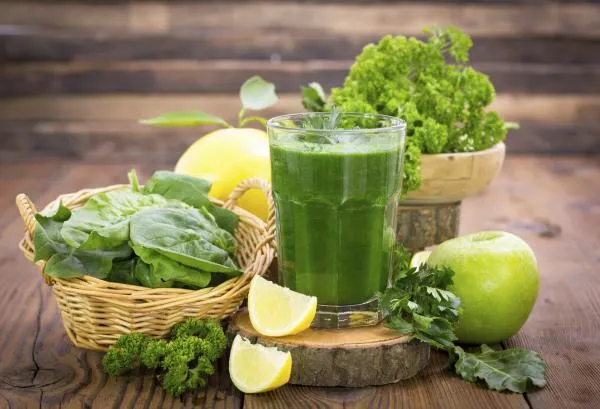
Heart Healthy Diet It is widely known that healthy eating has a significant impact on human health. What we put in our bowls and our bodies can significantly contribute to our health. The food we eat can notably manipulate our intestinal health, hormones, and even brain functions. When we are talking about healthy eating, green vegetables are placed at the top of the list. Perhaps we could discuss the benefits of green vegetables in this post. Green vegetables and their Benefits Despite being low in calories, green vegetables are rich in vitamins and minerals essential for the body’s normal functioning. These include iron, folic acid, magnesium, amino acids, adjuvants, omega-three fatty acids, and more. The calcium that comes from the green vegetables is essential for the regulation of the arterial pressure and the strength of the bones. Furthermore, the magnesium and potassium, together with the calcium, maintain the balance of fluids in the body. If you want to improve your immunity, this group of vegetables should constitute the basis of your diet. Take a look at our list of green vegetables, incorporate them into your daily diet, and you will be vital and healthy. However! If you have certain medical conditions, some of these foods should be avoided; feel free to contact me if you have any questions or ask your doctors and nutritionist what foods are best for you!</strong> Cabbage One of the most nutritious types of vegetables. It is an excellent source of beta-carotene, vitamins C and E, potassium, calcium, and manganese. It can be combined with many dishes, but it is excellent as a salad. However, caution to those of you with colon problems such as IBS, Crohn’s disease, and ulcerative colitis. Cabbage and other gas-producing foods can make your symptoms worse. SPINACH Green Vegetables Spinach is a rich source of vitamins, minerals, and dietary nitrates. Why are nitrates essential? A study found that nitrates from spinach can improve cardiovascular health by lowering blood pressure and arterial stiffness. It also contains vitamin K, which is necessary for blood clotting and healthy bones. If you are on blood thinners like warfarin, try to get the same amount of vitamin K every day; it’s critical. BROCCOLI is a remarkably healing vegetable. Numerous studies have indicated that the sulforaphane found in broccoli stimulates the protein synthesis that fights against the cancer cells. It is also full of antioxidants and other vitamins such as vitamins E, C, and K. CUCUMBERS Cucumber juice helps regulate blood sugar. This makes cucumbers beneficial for people who have diabetes or high blood sugar. Cucumber is a vegetable that’s 95% water, but it’s also rich in minerals, natural salt, enzymes, vitamins, and antioxidants. It is widely known that healthy eating has a significant impact on human health. The fibers overcome the feeling of hunger and can help with symptoms of constipation. Fresh juice can also help the skin! They reduce swelling and irritation, and no wonder they are so used in facemasks and face creams! It even helps with sunburn pain! They are also part of the same family as melons, squash, and pumpkins! ZUCCHINI Foods that contain beta-carotene have been shown in numerous studies to reduce the risk of cancer. Beta-carotene is converted to vitamin A in the body, and a well-rounded diet is essential because specific vitamins like vitamin A cannot be absorbed without fat intake. Vitamin C, which is also found in zucchini, also protects the body from high blood pressure and strokes. Now that you know the benefits of these vegetable offerings, you need to take a look at the following two recipes. Often I don’t eat certain veggies because I haven’t found a way to cook them to my liking, but once I find the one! I eat it as often as I can make it! The greenest smoothie ever Ingredients: 3 leaves of green salad Eight leaves of spinach One cucumber a little bit of parsley One spring onion juice from three lemons a pinch of salt One teaspoon sesame seeds Preparation: You add all of the ingredients in a blender and add water until you reach the limit of 2L engraved on the container of the mixer. Thereafter, you mix everything and get the healthiest smoothie possible. Usually, if it is too thick for your taste, you can add more water. Zucchini Green Vegetables Breakfast Ingredients: Three pieces of zucchini olive oil Salt Preparation: This is the easiest and healthiest breakfast recipe. All you need to do is wash the zucchini and cut it into circles. Put olive oil in a pan and fry the cut zucchini. You can also combine it with eggs and cheese. I sometimes even put the zucchini in the oven to roast them a bit without the frying component. DELICIOUS! Broccoli Salad Ingredients: One broccoli (medium size, around 500 gr.) 2-3 cloves garlic One teaspoon salt. olive oil vinegar curry (optional) Preparation: In a big pot, boil the water with one teaspoon of salt. After you finish cooking, add the broccoli, divided into smaller pieces, and continue boiling for an additional 5–6 minutes. Remove the broccoli from the water and let it cool. After it is cold enough, add olive oil, vinegar, garlic (finely chopped), and curry. Serve. I usually eat my broccoli raw! I love its crunchiness. If you’re having trouble with the raw, try this recipe for some boiled, softer broccoli and mix any spices you would like! Mix it up! Okay, there are many, many more veggies than these, but these are a few that recent studies have looked at and investigated. If you have any specific vegetables you want more info on, feel free to let me know, and I’ll be sure to do my best and post about them!
Apple Cider In Vinegar I have heard so many things about apple cider vinegar (ACV) recently that I’ve decided to look into it myself. Not knowing enough about something doesn’t deter me from sharing what I find… I look for excuses to jump into the research and see if there are any significant benefits to everything I might expose myself to! So… Here we go!✓ Here are a few of the health benefits of Apple Cider Vinegar, I’ve heard about…and then..whether or not there is evidence to support it. 1- Apple Cider Vinegar Reduces Blood Sugar Many of you may already know that Type 2 diabetes is characterized by insulin resistance. This means that your body does not react as it should to the insulin your pancreas releases. You make insulin… your body is not sensitive enough to respond to it, so the sugar in your blood…stays there instead of being picked up by your body cells and used as energy.✓ 2. So, where does this benefit from vinegar come from? Vinegar makes your body more sensitive to insulin! Research showed a 34% improvement in insulin sensitivity in diabetic participants and a 19% improvement in the control group. So benefits were observed in both diabetics and non-diabetics. Just having some vinegar before bed can even help reduce your morning blood sugar levels. Research has recommended that vinegar be looked into for POSSIBLE adjunct therapy for diabetes (adjunct = besides, to…other diabetic meds). So does this mean you SHOULD add apple cider vinegar to your diet? Why not? 3. Not only can it add to the flavor of your foods, …but if it can also help you maintain your sugar within the normal range, then I don’t see why you wouldn’t. This DOES NOT mean you should stop your medications and replace them with ACV. Always mention changes to your diet to your physician, especially when done to affect your health.✓ 1. Weight Loss Research shows that acetic acid, a component in vinegar … all kinds of vinegar…promotes weight loss in MICE! IT showed decreased food intake and changes in the microbes in the gut (both of which can affect your weight). One study among obese Japanese participants found that daily vinegar intake reduced weight, BMI, waist circumference, fat around the belly, and blood triglycerides.✓ So… should you add some ACV to your diet to help you maintain or lose weight? Sure.. why not. If food is medicine, then use it to your benefit! 2. Apple Cider Vinegar Improves Acne No actual evidence for this was found. The closest thing was a study done on alternative medicine that had vinegar in it, meant to be applied externally and combined with a low-calorie diet. It showed improved symptoms in acne. However, there were other ingredients in the medication, and which come in combination with a lower-calorie diet. It’s hard to say the vinegar was the cause of the improvement based on that information.✓ So if you like apple cider vinegar, and since using it, you’ve noticed an improvement in your acne… by all means, continue using it. Suppose you’ve never tried it but want to.. why not. Give it a shot! If applying ACV externally improved your acne.. then be sure to let me know! I’d love to hear more! 3. Apple Cider Vinegar: Great for your Heart It affects two things here… oxidative stress (the stress that leads to plaque deposition in your arteries, which then closes them up, preventing blood from getting to the heart, aka causing a heart attack)….and blood pressure. So let’s talk about those two for a second here. With regards to oxidative stress… a reduction of oxidation was seen in High Fat Fed RATS. No individual results yet… meaning that these results don’t help us much other than… obese rats benefited. Sure, research usually begins with animal trials and later human trials…but no social study has been released yet. What about blood pressure? Evidence supports the effect of Acetic Acid (inside ACV) on blood pressure. It lowers blood pressure. How? In a way similar to a class of drugs used to treat high blood pressure (Angiotensin-Converting Enzyme Inhibitors, aka ACEI such as lisinopril and captopril, etc.). This drug inhibits the conversion of angiotensin into angiotensin II (which causes vasoconstriction and, therefore, higher blood pressure). By preventing that conversion, you don’t have angiotensin II and therefore don’t have that constricted blood vessels that lead to higher blood pressure. Acetic Acid also acts similarly. It doesn’t prevent the conversion to angiotensin II… but it does affect renin, which can lead to angiotensin II. So by reducing renin, there is less angiotensin I to convert to angiotensin II. Which has the net effect of lowering blood pressure? Hopefully, I didn’t lose you guys with all that science!! I know I know I couldn’t help myself! 4. Anti-Cancer The only piece of evidence here was conducted in mice where they saw cell death of cancer cells and inhibition of inflammation with the use of COCONUT WATER VINEGAR. But.. beyond that, there isn’t anything too substantial to support the use of ACV in cancer prevention. If you like it, and you feel better by taking it. I don’t see why you shouldn’t continue using it. But as for using it specifically for cancer prevention, there isn’t enough evidence to show that it does. But relax… and consume on…ha! 5. Varicosity Symptoms A study found that applying apple cider vinegar (externally) over the areas affected by varicosities helped improve symptoms such as leg cramps, pain, swelling, itching, leg fatigue, and pigmentation (meaning darkening of the skin). It even helped reduce the anxiety from social appearance as well as pain perception. For those who have never had varicosities in their lower extremities, this may not seem like a big deal, but for those who have… this will likely make you want to start applying some apple cider vinegar to the areas affected. Not only did researchers find these results—they were statistically significant, which in simple terms means the evidence
Baby, don’t hurt me… kidding… HA! Though… What is love? It’s such a powerful emotion! And it’s not specific to just one thing or person. You feel it for your pets, your friends, your family, significant others, and yourself! Especially yourself. So, it’s important to first understand what the best definition of Love is. What is LOVE? LOVE is at the core of everything! And nothing explains love better than this phrase. You got the best definition of love. What career do you choose, what hobbies do you take on, and what skills do you wish to perfect? LOVE moves us all.. and we need it more than you think. So this coming week, I want you all to forget that Valentine’s Day is about one specific relationship.✓ I want you to think; it’s about every single relationship you have ever had with anyone, including yourself. As humans, we are social beings. We need to connect with other humans. Social isolation can be extremely harmful. Have any of you heard of Harlow’s monkeys? Harry Harlow was an American psychologist who used monkeys to study emotional attachment and separation from their mothers.Monkeys preferred a mom that was cuddly (cloth mom that gave the monkey food), and further, monkeys who had a cuddly mom looked for the mom when presented with stressful situations. Monkeys with metal moms (who also gave nourishment) rocked back and forth and threw themselves on the floor when presented with stressful situations.✓ Harlow found that the maternal bond depended on more than just getting food. It depended on things like love and affection. So yes, love is everywhere and at the core of every relationship. Let’s not forget that LOVE is exceptionally beneficial for your mental health and wellness. What is LOVE? Best Definition of Love When you do things you love, you have a positive effect on your brain, including stress reduction. When you love or are in love, similar things happen. There is a calming effect, anti-stress effect on your mind and body when you LOVE. So, this Valentine’s Day I hope you realize that when “Love is on the Brain”… its no joke. It’s also hormonal. Oxytocin plays a role in love, protective feelings, and attachment. Not only that, but did you guys know that oxytocin, the hormone released when you love, has healing properties…. In the heart?? So yes… it can heal a broken heart. It has therapeutic properties in the heart, anti-inflammatory, and anti-oxidant properties when it comes to atherosclerosis, aka plaque formation in the arteries.. which leads to heart disease. Not only that, but animals in isolation don’t heal as well as social animals. Mothers of premature babies are motivated to touch and hold their infants. Create the bond. It reduces the stress response of the infant and improves weight gain and outcomes. As you can see, there is so much more to love than just one type of relationship. Let’s not forget the love you have for yourself. Self-esteem and self-respect are at the core of loving yourself. If you don’t see reasons to love yourself, your self-esteem and self-respect fall low. This brings about doubt, self-isolation, depression, and more. So this Valentine’s Day, Love yourself! Treat yourself! Love your family, love your friends. Do things you love with the people you love. Give your brain what it needs to stay healthy. I have always said that a healthy mind helps you have a healthy body and vice versa. The mind-body connection is as essential as any. So… what’s love got to do with it? EVERYTHING! Happy Valentine’s Day! Now you get the best definition of love from Dr. Vero. But don’t miss out, I’m Bananas For Bananas; Wanna Know Why? Coffee What’s Good What’s Bad?
Benefits Of Coffee What’s the first thing you do in the morning? Grab a cup of coffee. You’re not alone! Millions of people around the globe depend on coffee to begin their day. But do they know what the effects of coffee on the body are? Are they positive or negative? Do you think they’ve researched this? Yes! Scientists and doctors are divided over one issue, is coffee good or bad for health? Let’s find out. Among the effects of Coffee on the body, let’s start from the positive ones. What are the Benefits of Coffee? Coffee boosts Performance We can all vouch for that cup of black coffee when it comes to performing at our best. The caffeine present in coffee increases the level of adrenaline in the blood, which helps us to prepare better for physical exertion and gives us more stamina. Coffee boosts memory A study by the University of Florida reveals that having coffee decreases your chance of getting dementia and Alzheimer’s. People who consume coffee regularly experience a slower rate of cognitive decline and lower risk of cognitive impairment. Coffee lowers the chance of getting oral cancer The risk of getting mouth and upper throat cancer is lower in people who drink coffee daily. May decrease pain associated with exercise One study showed that a caffeine dose 1 hour before exercise helped decrease leg pain by 27% if in hot environments (33 C), but had no effects in the cold. Also, pain perception was 74% higher in the heat than in the cold, and caffeine partially tempered it. Cognitive Benefits of Coffee Coffee improves our focus, concentration, and alertness. What about the risk of Diabetes? Reduce the risk of getting type 2 diabetes lowers the risk of stroke. A meta-analysis showed that 4 cups or more of coffee per day was preventative Longevity. A new study found that people who drink more coffee live longer! How? Telomeres are small protective ends on your chromosomes, …which you get 23 from mom, 23 from dad. As your DNA replicates, the telomeres get chopped off, and eventually, the DNA dies, your cell dies, and your age. Coffee was found to be associated with longer telomeres. Therefore you live longer! Negative Effects of Coffee After the positive effects of coffee on the body, let’s see if it affects negatively. But what is wrong about it? Drinking excessive coffee disrupts sleep patterns. It also increases anxiety making you more restless. So, if you have insomnia or sleep deprivation, having coffee may increase your problem. Caffeine interacts with some drugs and may cause adverse effects. If you have thyroid, depression, or take psychiatric drugs, you should consult your doctor about drinking coffee. Postmenopausal women should restrict their intake of caffeine as they may experience spinal bone loss if they are taking enough calcium. People who suffer from heartburn and acid reflux should avoid drinking coffee as it may aggravate the symptoms. Coffee may not be prudent in people with high cholesterol. Studies show that caffeine is bad for babies. Even unborn babies are sensitive to it. So, pregnant women should stay away from it or restrict their intake to only one cup a day, based on their OBGYN’s advice during pregnancy. Why? Some studies show that maternal caffeine intake early in pregnancy results in behavioral disorders later in the life of the child. Other studies show that as long as it’s <300mg/day, then there is little risk to the fetus. Another study showed that high caffeine intake during pregnancy causes adverse effects on fetal growth. Babies were born smaller. They had smaller head circumferences, all of which are known as small-for-gestational-age infants at birth. Meaning, they were born smaller. Are you perplexed? Cannot decide whether to have your coffee or not? We would suggest you drink coffee in moderation. Do not take coffee after 8 ‘o’clock as it may disrupt your sleep, but if you’re like me, you might still get Zzz’s you need. If you have Diabetes or high blood sugar, you may be told to limit yourself to one or two cups of coffee. Studies show that moderatecoffee intake is NOT HARMFUL in these diseases, and some studies even show that average caffeine intake may reduce the risk of developing Diabetes. If you suffer from acid reflux or heartburn, switch to decaf. What about if you have high blood pressure? You can continue drinking your coffee! Studies have shown that regular intake of caffeinated coffee does not increase your risk of high blood pressure (hypertension). Even during pregnancy, no association has been found between coffee and maternal blood pressure. A healthy lifestyle, getting enough nutrition, and physical exercise is what you need to remain healthy. If you love coffee, consume it. If you feel like you had one too many cups today and feel a bit jittery, chances are you should lower your intake the next day. Being of Colombian heritage, I love coffee! And depending on the day, I can drink between 1-4 cups a day. During medical school, I had like 4.. but more recently, I have cut back without trying to. Don’t miss Childhood Obesity in Florida
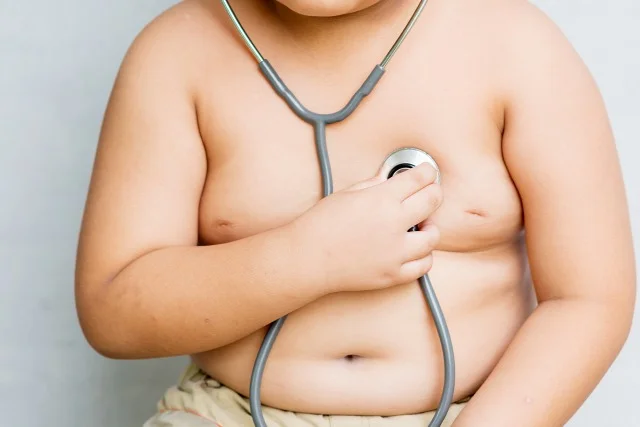
In 2011, a mother lost custody of her 200lb 3rd-grade son for medical neglect. When enrollment into the “Healthy Kids, Healthy Weight” program was unsuccessful, and his weight kept rising, authorities got involved. The Department of Children and Family Services (DCF) took the mother to court and won, after which the boy was placed in the foster care system.?? This is the case of Childhood Obesity in Florida. Is Obesity Really Dangerous? As a physician, I have seen the effects of obesity on health. Obesity is a risk factor for many life-threatening diseases such as high blood pressure, diabetes, strokes, arrhythmias, and heart attacks.???????? During my Masters of Public Health here at the University of Miami, I’ve learned that although the lifespan of the average American is increasing, the quality of life is not. Chronic diseases, such as diabetes and high blood pressure, are now the most prevalent.✓???????? Obesity is not only a physical burden; there is also the risk of bullying and its psychological aftereffects. The Florida Department of Health found that among bullied high school students, 52.4% were for weight, size, and physical appearance. This bullying increases their risk of violence, drug and alcohol use, risky sexual behavior, depression, self-harm, and suicide ideation. ✓ There is a need for a quick solution to prevent childhood obesity. However, reporting it as medical neglect would cause additional psychological harm. If not genetically predisposed, obesity is preventable with lifestyle modifications such as balanced meals, regular exercise, and adequate sleep. I suggest we start there at school and home.???????? In Florida, the average obesity rate for 2-18-year-olds is approximately 13%. Although a study by the Center for Disease Control (CDC) implemented efforts at the state, local, and community levels to lower childhood obesity, results were modest, and the study was limited to 2-4-year-old participants of the Women, Infants, and Children nutritional supplementation program (WIC). Other studies show that people acquire eating habits in the first years of life, and even if we provide healthier choices at school, the kids wouldn’t eat them.???????? Also, a study shows that kids who had school lunch had a more balanced meal than those who brought lunch from home. Proves that interventions targeting both school and home must work together to affect change. Therefore, interventions at home must not only start early in the child’s life but with support of the school and guidance from their doctors. The initial response should involve a team of doctors from multiple specialties to reinforce healthy habits and to provide instructions and explanations as to why healthy choices are essential. This should be done before conception, if possible, but throughout pregnancy and the child’s life.✓ In terms of exercise, schools are increasing physical activity opportunities. But there is a need to extend them to after-school and the home. Every kid must enroll in a mandatory afterschool physical education program. The program should include sports for at least 45 minutes, with only healthy snacks and water provided. Healthy snacks should consist of fruits and veggies.? Studies show that the more exposure to healthy food a child has, the more likely they are to continue eating it. Physical activity at home may have some limitations, such as access to a park, safe neighborhoods to play in, and involvement of the family. Therefore, there is a need to create home games to help children and their families exercise together and improve bonding opportunities. Besides, parents should reduce TV time since studies link it to higher body fat.✓ Schools and doctors must educate parents about this important issue of Childhood Obesity in Florida. Lastly, studies have shown that sleep deprivation negatively affects metabolism and weight maintenance. Physicians should educate the parents on the adverse effects of sleep deprivation through a school-sponsored Sleep Orientation Program. Instructions on how to create a good bedtime routine must also be provided. School counselors should keep track of school performance and in-class behaviors to identify kids who may be sleep-deprived. This will facilitate personalized counseling to the children and their parents. Although the court ruling shows the severity of childhood obesity and possible parental consequences, the better way to affect change is not by instilling fear but through education. Parents need clear explanations and guidance to understand why healthier behaviors are so important for their children’s health. Parents and caregivers can improve children’s health by increasing their exercise and providing balanced meals with fruits and veggies. They can also reduce the time children spend watching T.V. Improving children’s sleep routines further helps bend the curve on the rising prevalence of childhood obesity in Florida. Such efforts might even decrease the prevalence of obesity in adulthood.?
Intermittent Fasting Benefits Recently, I have been asked a lot about something called Intermittent fasting (IF). I went straight to the research to look for the possible benefits and adverse effects of such a diet. And here I am with pros and cons of intermittent fasting. Intermittent Fasting I don’t think this kind of diet would be unhealthy. As with anything, the more research out there, the more confusing something can become. Sometimes the more we search, the less we know for sure, always saying we need to know more. This is okay. I’m about to tell you everything I have found—both pros and cons of intermittent fasting; Both sides of the story. Whether or not you should do a diet like this is entirely up to you. It would be best if you discussed all of this with your doctor, your nutritionist, or fitness instructors. There is a chance that when you ask your doctor about IF, they may respond with “not sure, I’d have to look into it.” ” It is way better to get that response rather than to hear “it is great” or “it is terrible and unhealthy doesn’t ‘t do it.” ” There are different types too! There is Alternate IF, Modified IF and Time-Restricted IF. So many different kinds! So let us get into what each type means. Alternate IF This means that two days a week, you do not eat and do not drink anything. This is known as the 5:2. On the other days, you eat like you usually would. You alternate between fasting and eating days. Notice, I said. Usually, this does not mean binge eat unhealthy fatty foods like three big macs and a shake because you’ve fasted for 24 hours the previous day. The research found that this kind of IF reduced fasting insulin and glucose levels. However, the effects were not much different from regular caloric restriction while eating low calories every day of the week. One study looked at a combination of education. Some found that IF lowered triglycerides (TG), cholesterol, certain cancer risk factors, and inflammatory markers. Weight loss was also noted. However, other studies found that although these things to occur, LDL (BAD cholesterol) also increased. Another issue was that people in the survey complained of constant hunger on fasting days, which “did not decrease over time,” so it might not be an achievable intervention to improve the health of a community Modified IF This is similar to Alternate IF; the difference is that on the “fasting days” instead of not eating or drinking anything at all, you only eat or drink 20-25% of what you usually would. Overall results from many studies show that there is weight loss, with some improvement in sugar levels, inflammatory markers, insulin resistance. Very similar to the Alternate IF. However, they were not able to show that this kind of calorie restriction was any better than any other type of diet in which calories are restricted. Some people reported feeling less tension and anger and a positive effect on self-confidence. Other people said headaches, low energy, feeling cold and irritable. This diet does not have the same impact on everyone, so it’s important to listen to your body and change your diet and exercise regimens to you individually. Time-Restricted IF These diets generally have a fasting interval of about 12-20 hours. This means the remaining 4-8 hours are the eating permitted hours. There are some differences. You can either do one meal a day (lunch usually), OR you can use your eating interval to space out three meals in the day of equal calories as if you would have the one meal/day. It sounds confusing, so I hope I didn’t make that worse. This type of dieting has similar results to the above two. Lower cholesterol, glucose, insulin, and some other factors, which would improve your immunity (ability to fight infection) and improved insulin sensitivity. Comparing the one meal a day to the three meal a day type of diets: There was higher weight loss in those who only consumed one meal/day. Drawbacks of Intermittent Fasting Yes! Those who only ate one meal a day complained of feeling more hungry the morning after their fast. Who likes to feel hungry? I don’t, which is why this diet wouldn’t be for me (but it still could be for you as explain in the pros and cons of intermittent fasting). That explains the benefits and downfalls of each type of IF. But I am sure you want to know whether or not this is a proper diet, or if it’s’s even good for YOU. Am I right? Okay, here is the bottom line: Any fasting, such as overnight fasting, has shown to level your metabolism and put it into a “steady state.” Meaning not high and not low, just regulated. Any of the above three can lead to weight loss, between 3-8%. However, other diets that are low in calories can lead to a weight loss of 4-14%. These diets, as well as any other low cal diet, can lower visceral fat, insulin resistance, fasting insulin, and glucose. So there are some benefits, but these can be reached through other less strict diets as well. Alternating between fasting and eating days may be the worst one. Not because it’s unhealthy as it has similar benefits as the other 2, but because many people complain of hunger, and hunger is not something you want to feel. There are some benefits, as you can see, but everyone reacts differently. These kinds of diets can also alter your sleeping patterns, mood, and exercise endurance. Okay, that’s it. Intermittent fasting is a thing now, and it’s’s becoming more popular. Regardless of which diets you choose to follow, do your research. Ask people who do them, and ask them for guidance. Make sure you are keeping track of yourself and monitoring how you feel both in energy, mood, and overall wellbeing. And if you feel great, healthy, strong, and energized, then, by all means, continue doing what you’re doing. Make sure you
Let’s Stay Connected
Stay Inspired & Keep Learning
Subscribe to receive exclusive health tips, new blog updates, and the occasional wellness surprise — no spam, just real value.