Things To Know About Me (About Dr. Vero) I am a Doctor. Vero, and these are a few things you should know about me. Aside from being a doctor, I have started this youtube channel and owner of HealthLair. A little about me: I am Colombian by heritage, but I was born and raised in Florida.✓ I did live in Colombia for nine years. Although I was born in Florida, about six months after my birth, we moved to Colombia, where we stayed until I was 9.???? I went to St. Thomas Aquinas High School in Fort Lauderdale.✓ I double-majored in Biology and Psychology, with a minor in French. Before graduating, I transferred to the University of Miami, where I graduated with a Bachelor of Science in Biology with a minor in Psychology. After graduating, I was accepted into???? Grenada is a small island in the Caribbean, right above Venezuela. After graduating from medical school (finally an MD!), I decided to pursue a Masters in Public Health. I am currently completing my masters at the University of Miami, and I couldn’t be happier to be back in Florida.✓ But Why did I create my Blog and a Youtube Channel? During my 3rd and 4th years of medical school, I lived in New York City, where I worked at three different hospitals in almost every department.???? These included: Internal medicine, pediatrics, psychiatry, emergency room, surgery, plastic surgery, urology, orthopedics, OBGYN, cardiology, pulmonology, ICU/CCU, rheumatology, family medicine, and primary care.???? I was able to interact with many patients daily.✓ I started noticing that not many patients asked specific questions about their conditions, or about why they had to eat healthily, why they needed to exercise, or why they should change their lifestyles. What things You Should Know About Me? I wanted to create a platform where I could reach many people all over the world, and that is why I created this blog and the channel.???? But What Will I be Writing About? Fruits! There are so many. Some countries have certain fruits that don’t even exist here in the US. I’ll talk about a few fruits that are native to Colombia, which doesn’t live here.✓ I’ve had the pleasure of being able to see different cultures, different habits, and various countries. I learned many things through those experiences and will share some of them here. I’ll also give you health tips! How to stay active, why you should remain active. What kind of things are healthy for your body. I’ll explain what you CAN do, but also the REASONS why you SHOULD do them.???? Often, not knowing why you are doing something is a huge reason why you won’t continue to do it. I want to explain the bases so that you can live a long and healthy life.????? A few of the other things I’ll say may not relate to you because you may have certain medical conditions that won’t respond the same way, so definitely take everything I post here with a grain of salt! Nothing I say here is mandatory. Doctor Vero Nothing is, “this is what you have to do.” No way! I want to spark interest in your health so you can make adequate changes and continue with them! I want to help you guys know which questions to ask your doctors too. So you can use your Doctor’s visit to your benefit. I have had my issues, back pain, neck pain, etc. We all experience health issues. This is why doctors need doctors! Illness is not exclusive to sick or non-healthcare professionals.???? We all have difficulties, and it’s up to us to help each other achieve a healthy lifestyle. So, this is a safe place for you to voice your concerns and questions.???? I love writing about all these things, but I also love input. Whether good or bad, I want to hear from you. Welcome again to my blog! Please subscribe, comment, and ask me questions. ???? Moreover, don’t forget to check out my youtube channel. Sometimes what I post there won’t be on the blog and vice versa! Love, -XOXO- Dr. Vero
Jord Wood Watches So yes, I am a doctor and I love talking about health and wellness. But there are so many other aspects of my life that I usually don’t share unless you follow me on IG and see my stories. (@doctor.vero) If I am right, you don’t know about my Jord Watch. Aside from working out, eating healthy, and spending time with the people I care about, I love dressing nice and wearing matching accessories. My favorite accessories are watches, sunglasses and necklaces. I of course love rings, but I usually wear the same ones all the time since they have a huge sentimental value. Everything I do is a matter of heart, body and soul. I am also quite attached to a few watches so I rotate between them maybe once or twice a year. On occasion! I wear some beautiful watches that are more delicate, intricate, and make me want to match it. With my clothing and other accessories. The newest addition to my watch collection is the JORD wood watch, Cora. The day I received this watch, I was taken aback by its packaging! Yes! From its arrival, its presentation had me holding my breath. Then, I opened the box and Voila! This watch has natural colors and earthy tones, so its a great addition to your fall look, but I would definitely extended it to all seasons! Its color allows you to match it with any outfit, long or short sleeves, jeans or dress or shorts. Whatever your tastes, don’t be afraid to role up those sleeves if you have them and flaunt your JORD watch. My JORD is spectacular! Relaxing The face of the watch is turquoise, and even the crystal glass is sapphire! The band is made entirely of zebrawood.. That’s right! Only wood! Just look at those colors! Now, I myself love jewels! And this watch actually has Swarovski crystal markers, which I love! If there is any watch has a way into a girls heart; it’s this one. Now, it is definitely a watch that needs extra attention and care. It is pure wood, and so it’s affected by weather. Luckily, unlike other things in life without instruction, this watch tells you exactly what it needs. It comes with a set of steps to take on the minute you receive your watch. There is special oil you must coat the wood in twice a year to protect it. It’s a watch to show off for sure! Not to shower in. This watch, like a cat, hates water! A little rain is okay, but do not shower with it! It will be very upset, the wood will absorb the moisture and you will kill your poor JORD! Poof. Now I know, if you’re anything like me, you will click on the link below and find more info like pricing on this amazing JORD! And before you do that, I want to give you a little present! Follow me on IG (@doctor.vero) and use the link in my bio to join my giveaway! It ends October 22nd at 11:59pm. The winner of the give away will receive $100 towards any JORD of their choice, but don’t be sad! There is also a $25 code. Both codes expire December 31st, 2017. So don’t wait!! Get started with your JORD and I hope you enjoy matching this magnificent piece of jewelry as much as I do! Below are other ways to enter this awesome giveaway! http://www.woodwatches.com/series/cora/zebrawood-and-turquoise/#healthlair Here’s a link directly to my JORD Cora http://www.woodwatches.com/series/cora/zebrawood-and-turquoise/#healthlair But if you want to browse them all, here is the homepage. Enjoy! http://www.woodwatches.com/#healthlair
Strawberry Nutrition I love strawberries! I adore the taste, texture, and color of strawberries. Everything about this fruit captivates me; however, you may be unaware of these intriguing facts regarding this remarkable berry. What are the health benefits of strawberries, and how do they secretly help your body function properly? Let’s read together the benefits of eating strawberries. Health Benefits of Strawberries Clotting: Recent research has shown that strawberries are not only rich in antioxidants but also possess antiplatelet, or anti-clotting, properties. What does this mean? Platelets are components of your blood that clump together and cause clots. These can then travel throughout your body until they get stuck, like in your legs, your brain, your heart, and your lungs. Those are thrombotic events, and in medicine, they’re strokes, pulmonary emboli, and heart attacks. Many medications on the market today prevent platelets from forming these clots, which lowers the risk of thrombotic events. ???? A diet that can lower the risk of these events even more would benefit everyone who is on these medications and has other diseases that increase their risk of having them. Anti-Gout There might also be some anti-gout effects. Uric acid is the culprit here, and it can deposit in your joints, causing gout symptoms: redness, pain, warmth, inflamed, and unbearable should be another one. At the moment, research is a bit inconsistent, and more info is needed, but in the off chance that strawberries COULD lower levels of uremic acid in your blood… I’d say: Chill and Eat Strawberries—Benefits of Eating Strawberries LIPID LOWERING, LOWER CHOLESTEROL Before I get into this, I want to give you some word definitions to explain better what things are. I know I had some trouble understanding all these terms when I first started medical school. Oxidative stress Damage An excellent way to remember its damage is this: When something becomes oxidized, it RUSTS & RUST is BAD. For Spanish speakers—think: Oxidar = RUST = BAD LDL Bad cholesterol But if you’re a Curious George, it’s Low-Density Lipoprotein HDL Good cholesterol And if you’re a Curious George, it’s High-Density Lipoprotein Do you like to eat fruits? How about eating bananas? Read my guide about the health benefits of bananas to decide if they benefit you. Okay, so now we can start: Strawberries are found to lower oxidative stress (DAMAGE). Now, higher levels of damage to LDL (BAD CHOLESTEROL) are the most dangerous because it’s what starts narrowing your arteries. ???????? It’s kind of like HARD FAT depositing on the walls of your arteries until the blood that flows through there is so low that whatever organ the blood is traveling to gets hurt, and a part of it can die. This is what happens in a heart attack; the coronary arteries can be so narrow that an area of the heart dies. There you have it!???? Strawberries are not just delicious and colorful. They are great for your health!
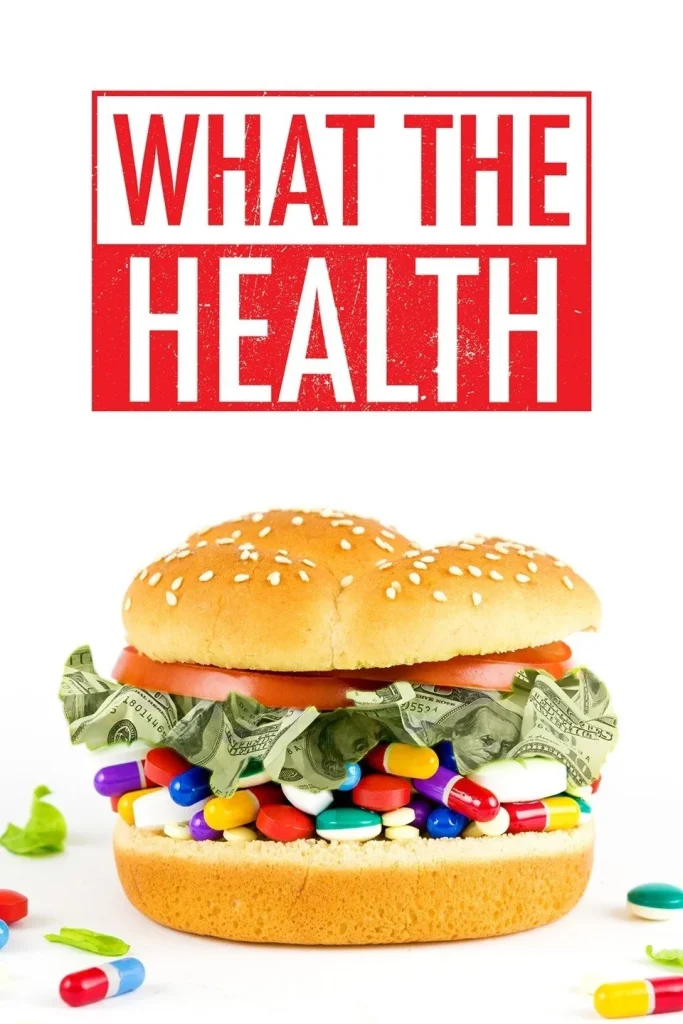
Vegan Diet This is my perspective on the film “What the Health”. For those of you who haven’t seen it yet, watch it and let me know what it makes you think. Documentary Point: Chicken is not healthier than beef; it has almost the same amount of cholesterol as beef. Chicken contains 85 mg of cholesterol, while beef contains 89 mg. Debunker Criticism: Dietary cholesterol is NOT associated with Coronary Artery Disease Conclusion: I described studies that supported the debunker on this one when I discussed eggs (2). Dietary cholesterol does not severely impact coronary artery disease. But is chicken actually healthier than beef? Well, one study showed that poultry meats have a favourable overall nutritional profile. The study suggests that chicken may even be beneficial for pregnant women, the elderly, and children. It goes on to say that eating chicken helps maintain body weight and has a positive effect on cardiovascular disease, diabetes, and cancer… then I read the conflicts of interest section… It was funded by Unaitalia, a company that specialises in the promotion of Italian food chains, such as meat and eggs. Is that too conflicting? Maybe? Ugh, I don’t know, what do you think? A study on 500,000 men and women showed that red and processed meat was associated with the risk of cancer of multiple organs, including the colon, liver, pancreas, and others. But what about chicken? One study showed that while red meat is associated with an increased risk, chicken and fish do not increase the risk of rectal cancer. Another study indicated that chicken doesn’t increase the risk of prostate cancer. A The Harvard study looked into the effect of meat, fish, poultry, and eggs on prostate cancer progression. Eating processed meats, unprocessed red meat, fish, total poultry, and skinless poultry was not associated with prostate cancer recurrence or progression. Greater consumption of eggs and skin-on poultry is associated with a twofold increase in risk compared to other foods. Men with high risk and high poultry intake had a 4-fold increased risk of recurrence or progression. So, if you have to choose between meat and chicken, eat lettuce. HA! Right, that’s a tough one. If the question is about cholesterol, which option is better? Well, neither is bad. Based on the risk of colon cancer, chicken is better. Based on prostate cancer, skinless chicken is better. However, we typically do not make decisions based solely on specific factors like these. The argument becomes a bit difficult. Overall, animal protein has a higher content of saturated fat. All animal protein has saturated fat, including dairy and fish. That’s what you should know, in my opinion. – 6 – Documentary Point: What about fish? Also, not too great. The amount of omega-3 in fish is lower than in green veggies! Fish also has other concerns, such as the presence of PCBs (chemicals), mercury, saturated fat, and cholesterol. Cholesterol is ubiquitous in the food chain. Tuna in water has less than 1/2 a glass of milk. Salmon or tilapia can contain even more cholesterol than a pork chop. Debunker didn’t criticise these foods in his video. Conclusion: I chose to talk about this because many people believe that we NEED animal protein to get omega 3, energy, protein, etc. This is a beneficial topic to talk about because fish is actually not the highest source of omega-3. In fact, some fish have more omega-6, which can cause inflammation and worsen many inflammatory diseases. So, not all fish is good! But that’s another blog post. Lastly, maybe higher cholesterol than pork chops depends on how they’re cooked; I’m not sure. I didn’t find any evidence of this. But I’ll keep looking, I promise! 7 – Documentary point: humans need cow milk as much as we need milk from a giraffe. Debunker criticism: NONE Conclusion Okay, so the debunker didn’t say anything about this either, but I figured it’s as good a place as any to discuss milk. There are so many milk commercials and ads. Milk gives you calcium and potassium and vitamins blah blah blah. Sure, they’re all true. Milk is supposed to nourish… just babies? I used to think milk was vital to a person’s diet because of all these nutrients, so I decided to look into it. It turns out that there is no definitive answer to this question. It is not detrimental for some things, and it’s detrimental for others. One study found that dairy products, particularly low-fat options, do not increase the risk of cardiovascular disease. Additionally, the study found that consuming up to three servings of dairy products per day appears to be safe and may provide a favourable benefit for bone health. Then, another study went on to say that a higher consumption of dairy products was associated with higher levels of hip fractures. Additionally, Finland and Sweden, which are among the highest consumers of dairy, also have high rates of osteoporosis. One study explains that areas where vitamin D is low but calcium intake is high also have a high prevalence of cardiovascular disease and osteoporosis. Many doctors today are sending patients home with vitamin D supplements. A study conducted on Polish women concluded that bone health depends on many things, including calcium intake, vitamin D, age, and menstruation in women. They went on to say that dairy product consumption early in childhood may lower the risk of osteoporosis in adult women. Another study, conducted recently this year, found that low calcium intake and low vitamin D both contributed to low bone density and osteoporosis in menopausal women in Korea. Overall, there is conflicting evidence that milk should be avoided. Based on all this information, it is difficult to decide whether milk is good or harmful. As a doctor, I think vitamin D, calcium, and all other minerals and vitamins are important for health. I cannot determine whether we should obtain these nutrients from milk. A Doctor’s Perspective: Milk in Moderation My take on all this is that anything in excess is detrimental, as always. Yes,
Rabies Symptoms Infected animals most commonly transmit rabies to humans through contact, particularly via bites. The virus resides in the salivary glands of animals and enters the human body through broken skin, eventually reaching the brain and causing severe damage. According to the CDC (2011), the primary carriers of rabies in the United States have shifted over the past century. While rabid dogs were once the main source, particularly in developing countries, changes in urban development—such as Glasgow’s expansion—and the introduction of routine pet vaccinations in the 1940s (Finnegan et al., 2003) have contributed to a reduction in domestic dog transmission. In the U.S., rabies is now more commonly spread by wild carnivores like raccoons, foxes, coyotes, and skunks. These changes highlight the importance of continued vaccination efforts and public health measures to control the spread of rabies and protect both humans and animals from infection. Since the 1900s, rabies mortality in the United States has decreased from approximately 100 fatalities annually to about one or two (World Health Organization [WHO], 2017). Suppose it is mainly due to the routine vaccination of domestic animals. Furthermore, the majority of the population in the United States has easy access to health care, and post-exposure prophylaxis is readily available (CDC, 2011). The population of the United States is also well-informed about health risks. It has access to various resources that would allow them to research the risks of being bitten by an animal, especially a wild animal such as a bat, raccoon, skunk, fox, or coyote, and domestic pets as well. These resources may not be as accessible to the rest of the world, which likely contributes to the majority of rabies deaths occurring in areas with inadequate health care, where domestic animals are not vaccinated and residents lack access to the internet or other educational resources unless they are provided. Global Rabies Statistics and Healthcare Access In Thailand, despite a high level of knowledge about rabies and its severity, there was a deficiency in awareness regarding bat transmission. Only 10% of the people who took a survey identified bats as a potential source of rabies, and 36% said they would likely not take any specific action if bitten by a bat (Robertson, Kis, Boonlert Lumlertdacha, et al., 2011). According to the WHO, although rabies affects all continents, 95% of deaths occur in Asia and Africa. Even if rabies post-exposure prophylaxis (PEP) is readily available to people in these areas, the costs of PEP are $40 and $49, respectively (WHO, 2017). Even some uninsured American citizens might find it challenging to afford this cost, let alone an individual in Asia or Africa whose “average daily income can range from $1-2 per person” (WHO, 2017). Furthermore, the diagnosis of rabies has also evolved. Previously, the disease was a post-mortem diagnosis in animals, which means that the animal, if not already dead, had to be euthanized to take brain samples and confirm the diagnosis (CDC, 2011). Today, instead of euthanizing a perfectly healthy animal, it can be watched for ten days after it bites someone. If no symptoms of rabies appear, it means the animal is rabies-free (CDC, 2011). That not only decreases harm to healthy animals but also reduces the need to treat prophylactically, which, according to the WHO, is high, “typically exceeding 3,000” (WHO, 2017). Diagnosing rabies in humans is quite different, and although there are many diagnostic tests available, the WHO reports that those are not “suitable for detecting rabies infection before the onset of clinical disease.” Fatal Infestations The video “Fatal Infestations” highlights the tragic impact of rabies, a preventable and treatable disease if caught early. Rabies affects the nervous system, causing symptoms like seizures, aggression, drooling, hydrophobia, paralysis, and coma. Once symptoms appear, recovery is highly unlikely. Despite being familiar with rabies symptoms, physicians often miss the diagnosis. As the video suggests, rabies wasn’t initially considered. This reflects a common medical issue—“If you don’t think of it, you won’t diagnose it”—emphasizing the need for awareness. The investigator must take specific steps in whichever order they deem necessary during an epidemiological investigation (Gregg, Michael B., 3-13, free from Fortunately). The class video showed a brief look at a real epidemiological investigation. It began when local health departments contacted the CDC about a possible outbreak. The CDC interviewed families and gathered descriptive epidemiology data—when, where, who, and how many. They searched for links between the three coma patients in the ICU and ran various lab tests and imaging, but were ultimately unable to determine the cause of the illness. When the first fatality occurred, and the organ donor was identified as the source, descriptive epidemiology continued, now centering on the donor himself. The CDC visited the patient’s home and spoke with friends and family, uncovering a recent bat bite on the donor’s chest. They requested an autopsy and investigated the donor’s home using infrared lenses, where they found multiple bats. The bats were tested and confirmed to carry the same rabies virus as the donor. This identified the source of infection. The video concludes with the death of the final victim, highlighting the deadly outcome of undetected rabies exposure. ChatGPT said: When someone is near death from an unknown but fatal cause, local health departments and the CDC must investigate quickly. An initial investigation involves defining the case—such as erratic behavior, seizures, and coma—and counting cases, which in this scenario totals three, with the first as patient zero. The video shows symptoms appeared 3–7 days after organ transplant surgery, suggesting a fast-acting, deadly cause. This urgency places pressure on investigators to work both accurately and swiftly to prevent further spread. My next step would be to begin data collection. Descriptive epidemiology Descriptive epidemiology includes demographics, exposures, similarities among the three cases, hospital information, and discussions with doctors to determine whether the infection originated from the surgical room, the tools used, or the staff present. Since it is unknown whether or not any of these things are the source, I would
Vegan Diet I have a friend who lives in Switzerland and recently participated in the Geneva triathlon. After congratulating him, he said he was pleased, mainly because he did it on a purely vegan diet. I was a bit shocked that he ate “no protein”? WRONG! Lots of protein, just not from the places you commonly expect! Then. I congratulated a friend of mine on her legs (they looked great!) and how much weight she had lost with a purely vegan diet. What she said was again a bit shocking. “vegan legs.” Although I am a doctor, nutrition is not taught to us in medical school…okay, maybe four weeks out of 4 years of studying. so yea, in essence, none. So this was unexpected. But I didn’t realize how beneficial a purely vegan diet would be until a third friend told me to watch a documentary called “What the Health”. It was almost midnight, and I couldn’t sleep. No YOGA for me that day. So naturally, I opened Netflix and looked for the documentary. I didn’t expect to stay alert throughout the whole thing. I was tired, but for some reason, everything that was said was entirely life-changing. WHY? It was things I had never learned in school. Something I had never researched myself. Things I didn’t expect and wanted to know more about. For those of you who haven’t seen it yet, watch it and let me know what it makes you think! In the following days, I decided that I should write about this and vlog about it too. So I started my research. Little did I know that another physician would do a video criticizing the documentary, calling it “fake science.” Mind you, when one doctor says it’s science, and another doctor says it’s fake science… well, it leads to a lot of confusion and doubt. After all, these are doctors, so which one do you believe?!?! What I noticed was that the physician that was criticizing the documentary didn’t give any evidence or research. So I started my journey into this tough topic. As I always say! I am not here to tell you what to do or to urge you to change your life or your eating habits. I am here to tell you the benefits and dangers of certain things so that you can make your own informed decisions! Knowing why something is good or bad also helps keep you in line after you decide to make a change. Hopefully, anyway! Based on the documentary AND the critiques of the other physician, I have researched and written this post to address a few points made. There were lots of points! So If you think I missed one, LET ME KNOW! So I can send that one too! I have chosen a few points that I believe were the most “shocking,” “fake-sounding,” “alarming,” and “controversial,” both from the documentary and the “debunking video.” So, if you need a break, take it! Stretch, have some water, or even some coffee! And let’s dive in! –1- What the Health Documentary Point: Sugary foods OR high-carb diets don’t cause diabetes; animal fat causes muscle cells to build up tiny particles of fat, and this leads to insulin resistance; the sugar stays in your blood and causes diabetes. Debunker Criticism: Sugar and carbs are stored as fat, basic physiology. The idea that fat particles deposit on muscle cells and don’t let sugar into cells is FAKE SCIENCE! Conclusion: High-carbohydrate and high-sugar diets predispose you to obesity and insulin resistance. Obesity is a risk factor for type 2 diabetes, and insulin resistance causes it. BUT a purely vegan diet What the documentary said was that high fat in the diet is the real issue. And this is true. The traditional way to help patients control their disease is by controlling their sugar and carb intake. The issue with this is that diets low in carbs make you eat more fats and protein, so you feel appropriately energized. By minimizing fat, especially saturated fat, in the food, insulin resistance is improved. This means that even if you are eating sugars and lots of carbs, by lowering your amount of fat consumption, your body can deal with the sugar more adequately. A study was conducted on diets higher in grains, veggies, and fruits and lower in dairy and meat consumption. Results showed that many diabetic patients were able to reduce their medications or go off them entirely. Studies on muscle cell fat content show that athletes and people with diabetes have higher levels of muscle cell fat, BUT only athletes have higher sensitivity for insulin. I take this info like this: Yes, overeating sugar and carbohydrates may predispose you to obesity, but only if your body cannot adequately deal with the amount of sugar you are putting in it. How can you help your body deal with sugar and carbs? Exercise! And lower saturated fats, like the ones found in animal proteins (dairy, steak, chicken, and even fish) – 2 – Documentary Point: Eating eggs is like feeding your kids cigarettes? Egg yolk is full of cholesterol and fat; its main function is to maintain the development of a baby chick. When we eat it, it coats our blood cells; our blood gets thicker, changes our hormones, and raises our cholesterol levels; there’s nothing healthy about eating the yolk of the egg. Eating one egg is like smoking five cigarettes? Debunker Criticism: Be cautious of individuals who seek out studies that confirm their preexisting beliefs. Conclusion: Appears to be on the side of the debunker. One study found that a diet high in eggs but lower in saturated fats, or food that is high in eggs but replaces saturated fats with healthier fats, actually had a positive or no effect on harmful cholesterol levels. Another study found that short-term egg consumption did not severely affect arterial function in healthy people. The International Journal of Cardiology, as referenced in the documentary, concluded that eating 1–2 eggs a
Although evidence is just emerging and therefore primarily criticized, an article from the William and Medlock NEJM suggested that the increasing racial hostility and community-level prejudice towards marginalized groups will adversely affect health. Such discrimination will only increase the already present health disparities of the nation and is, therefore, an important issue to address and quickly find a solution for. A study on the perceived racial discrimination on health status and health behavior showed that there is an inverse relationship between the perception of discrimination and health. This effect was mainly due to higher internalization and externalization reactions. Internalization was related to self-reported health status, whereas externalization included changes in substance use problems. This study demonstrated that discrimination negatively impacts both substance use and physical health (Gibbons, 2014). A study on Racism and Health revealed that a variety of racial issues can negatively impact health. Institutional and Cultural Racism in Healthcare Any discrimination, even of the physician, adversely affects the healthcare a patient receives. The study indicated that “institutional and cultural forms of racism” have historically been and continue to be significant factors in initiating and perpetuating racial inequalities across various societal and institutional policies. (Williams, 2014). Although the above study showed how patients might receive less than optimal healthcare due to discrimination by institutions and healthcare providers, health disparities are not just based on race. Social and economic status further complicates the race. What I mean by that is this social, financial situation is sometimes lower among individual races, and therefore they might have less access to health care. According to a study on race, socioeconomic status, and health, poverty varies by race; moreover, child poverty rates “for all racial groups are higher than the overall poverty rates, and child poverty is also strongly patterned by race.” Furthermore, poverty levels of blacks and Hispanics were two to three times higher than those of whites (Williams, 2012). However, even after controlling for SES, “racial disparities in health often remain.” Likewise, there are also racial differences in disease, even among high SES groups. Certain diseases, such as diabetes and high blood pressure, were almost twice as high in black physicians as in white physicians. From a lecture in my health policy class, I learned that race also affects life expectancy, as well as SES and income. Health Effects of Racial Discrimination and Stereotypes According to a study on race, SES, and health, racial discrimination has gained a lot of interest as a possible stressor that may adversely affect health. Some of the health issues associated with racial discrimination include fibromas, diabetes, higher risk of drug abuse, and coronary artery disease (William, 2012). Stereotypes have also been found to adversely affect health disparities between races. Any stigmas of inferiority, which have been found to affect academic performance, have also been associated with high blood pressure. Stigmas such as “blacks performing more poorly on exams than whites, women who were told they performed worse than men, white men told they perform worse than Asians,” etc. Also, internalized stigma has an association with a higher risk of being overweight, as well as more abdominal obesity in black women in the Caribbean and more cardiovascular outcomes in black women in Africa (William, 2012). Racial Hostility Another study showed how the patients themselves change their behaviors and increase their risk of illness. A study on racial discrimination and HIV-related risk behaviors in Southeast Louisiana showed that those who experienced racial discrimination had higher levels of risky sexual behaviors. This puts them at higher risk of sexually transmitted infections (STIs) and increased “vulnerability to HIV” (Kaplan, 2016). According to Scherwitz, there is a relationship between hostility and health behaviors, which may contribute to adverse health outcomes, such as tobacco smoking and marijuana (Scherwitz, 1992). One study found that even if exposed to hostile or racist interactions, As long as there are healthy, high-quality relationships in the patients’ lives, their health is not as negatively affected since they are not exposed to the physiological changes that usually would occur in people exposed to high interpersonal conflict (Guyll, 2011). However, just as with any other disease, the psychological state is also essential to a person’s health and well-being. A study has found a connection between anger, hostility, and aggressiveness and many health risks (Staicu, 2010). I don’t agree that racial hostility alone is a significant cause of health disparities. I do, however, firmly believe that how people react to hostility has a substantial effect on the body. This effect can be physiological, psychological, and, therefore, physical. As a doctor and based on what I know from medicine, the body reacts to stress in many ways. Many times, having a sound support system at home or school, or even in the community, increases your chances of thriving. The Role of Stress Hormones in Health Outcomes Researchers have also observed this effect in babies in neonatal intensive care units (NICU), where placing two babies in the same incubator sometimes causes their health stats to rise. The reason for this occurrence is unclear, but I believe that humanity thrives on support. Loneliness, marginalization, and isolation often lead to symptoms of depression. Such conditions alone can wreak havoc on your body and adversely affect your health. I have conducted a lot of research on stress and its effects on the body. Interestingly enough, the research I have done for my health blog and youtube channel has somehow coincided with what I have needed to know in my Master of Public Health. In this case, I have learned all the reasons why specific exercises that decrease stress can have such positive gains on health. It is not just that exercise is beneficial because, well, it’s an activity. It is because things like yoga and meditation interact with how your body manages and responds to stress, mainly the stress hormone, cortisol. Anything that persistently decreases higher levels of cortisol will have huge benefits on health. I firmly believe that it is our physiological response
Let’s Stay Connected
Stay Inspired & Keep Learning
Subscribe to receive exclusive health tips, new blog updates, and the occasional wellness surprise — no spam, just real value.