
 Skip to content

November is over; however, that doesn’t mean Men’s health should stop being a priority. In fact, it’s just as important—if not more so—to keep the conversation going. In this series, I’ll be discussing a few important topics that men may not often talk about or might even be afraid to confront, such as erectile dysfunction.
This is the first of a 3-part post. Below are the topics I will be covering to ensure that men’s health continues to remain a priority throughout December and beyond.

Men’s Health: Erectile Dysfunction (ED) BENIGN PROSTATIC HYPERPLASIA -BPH


According to the National Institute of Health (NIH), ED affects about 30 million men in the US. One important lesson my medical school taught me is that there are two types.
First, there is organic ED, which means there is an actual issue with the physical processes that allow an erection. On the other hand, the second type is psychological ED, meaning the man should be physically capable of getting an erection, but mental or emotional factors interfere.
But how can you tell the difference between the two? One crucial question a doctor may ask you is this.
If the man still gets morning erections—meaning they wake up with “morning wood” or a “woody”—then, most likely, there is nothing organically wrong, and the man should be able to get an erection. Therefore, the odds are that something else is going on that’s preventing the man from being able to get an erection. In the following section, I’ll list a few possible reasons.

If the man no longer experiences morning erections, or if they occur rarely or with decreasing frequency, then it is likely that there is an underlying organic issue. Therefore, if there is no clear reason why a man doesn’t get an erection, here’s a list of a few potential factors that may cause erectile dysfunction:

Stress: any kind, can be sexual, can be family, work, friends, any kind at all. Fatigue

Men’s Health: Erectile Dysfunction (ED) BENIGN PROSTATIC HYPERPLASIA (BPH)
What if something is wrong? What kinds of medical conditions can lead to ED?
An erection depends on blood flow. To get an erection, blood must flow to the penis and stay there; in fact, it pools there. Additionally, the penis is not a bone or a muscle. Believe it or not, this is a question both men and women have asked during my clinical rotations in med school.
With that in mind, this is a safe space, so if you’re embarrassed by a certain question, don’t worry. You can always reach out to me privately through IG @doctor.vero or email me. Although I won’t give you medical advice, I will be happy to provide you with reliable information!
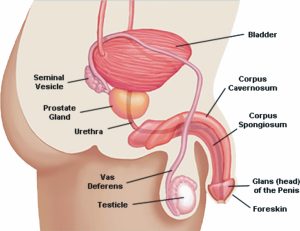
An erection depends on blood flow. To achieve an erection, blood must flow to the penis and remain there, pooling in the erectile tissue. The penis is not a bone or a muscle.
Medications can also cause impotence or ED:
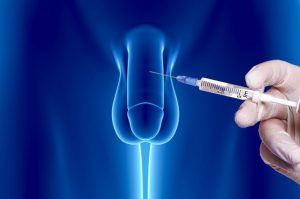
Causes and Treatments
Erectile dysfunction (ED) can stem from issues like reduced blood flow (vascular causes) or nerve damage, often due to diabetes or surgeries. Depending on the cause, treatments vary—from medications like sildenafil (Viagra) that improve blood flow, to surgical interventions for nerve-related problems. Identifying the cause is key to choosing the right treatment path.
Encouragement to Seek Help
ED is not simply a result of aging. Many men wrongly assume it’s a normal part of getting older and avoid seeking help. However, medical support is readily available, and a simple doctor’s visit can lead to effective solutions. Overcoming the initial discomfort of discussing it can lead to better sexual health and overall well-being.

Why Talking About Sex Is Part of a Balanced Life
May I ask if this topic seems unusual to write about? Not for me. Why? A balanced life is about everything there is in life. This includes family, friends, alcohol, traveling, exercise, healthy foods and unhealthy foods, mental health, and sex. Sex is a massive part of many people’s lives. Moreover, it also helps you connect to your spouse and express your feelings.
The Emotional Impact of ED
ED doesn’t just affect physical intimacy—it often has emotional consequences. Men dealing with ED may experience anxiety, low self-esteem, or depression. It can also strain relationships, as both partners may feel confused, rejected, or disconnected. Addressing the emotional side is just as important as treating the physical causes.
Support and Understanding
Men with ED need empathy, not judgment. Mocking or shaming only deepens the issue. By creating space for honest conversations and offering support, we can reduce stigma and help those struggling to feel seen and accepted.
There Is Help Available
ED is common and treatable. Doctors and specialists can offer solutions tailored to individual needs. No one should feel ashamed—sexual health matters, and help is available.
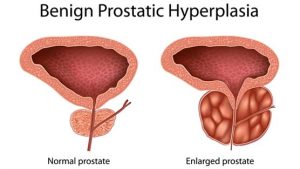
Benign Prostatic Hyperplasia (BPH) This is a very common condition! It usually affects men older than 50, and according to the National Institute of Health (NIH), it affected about 14 million men in the US in 2010.
It affects about 50% of men between age 51-60 and about 90% of men older than 80 years old.
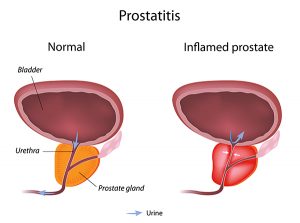
So if you’re an older man and you have been diagnosed with this, you are not alone. What exactly is the prostate? It’s a small gland that can be reached through the rectum and examined. Running through it is the beginning of the urethra, which is how the pee exits the bladder and goes into the toilet!
When this gland gets bigger, it makes it difficult to urinate.
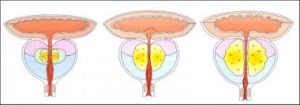
Feeling of incomplete voiding: this means they feel as though they didn’t empty their bladder. Urgency: or a feeling that they must go pee! Frequency: Men may need to pee multiple times a day, especially during the night. This is Nocturia.
Weak stream: Because of the pressure the gland puts on the urethra, the urine comes out with little trouble. As a result, the urinary flow is weak and can even be interrupted. For example, he was peeing in short bursts of urine.
Urinary retention: In some cases, not all the urine leaves the body; consequently, some stays behind in the bladder.
BUT most men don’t get any of these, according to the NIH.

What should you do if you are diagnosed with BPH?
Other options are also available, like surgery, but those are all last resorts. Lastly, a very common question I have heard is
BPH does not progress to cancer. However, according to a few studies, it may increase your chances of getting prostate cancer. Nevertheless, it is important to note that it does NOT actually become cancer.


