
 Skip to content
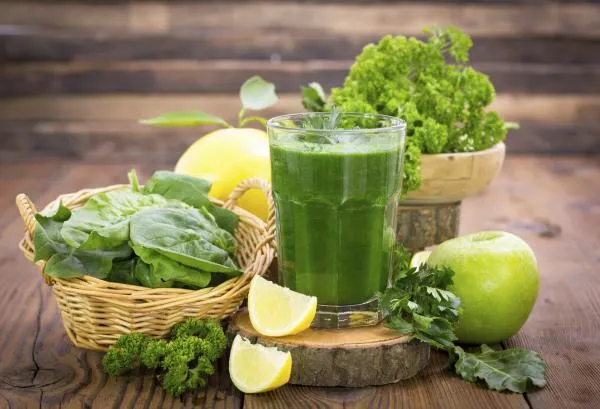
It is widely known that healthy eating has a significant impact on human health. What we put in our bowls and our bodies can significantly contribute to our health. The food we eat can notably manipulate our intestinal health, hormones, and even brain functions. When we are talking about healthy eating, green vegetables are placed at the top of the list. Perhaps we could discuss the benefits of green vegetables in this post.


Despite being low in calories, green vegetables are rich in vitamins and minerals essential for the body’s normal functioning. These include iron, folic acid, magnesium, amino acids, adjuvants, omega-three fatty acids, and more. The calcium that comes from the green vegetables is essential for the regulation of the arterial pressure and the strength of the bones. Furthermore, the magnesium and potassium, together with the calcium, maintain the balance of fluids in the body.
If you want to improve your immunity, this group of vegetables should constitute the basis of your diet. Take a look at our list of green vegetables, incorporate them into your daily diet, and you will be vital and healthy. However! If you have certain medical conditions, some of these foods should be avoided; feel free to contact me if you have any questions or ask your doctors and nutritionist what foods are best for you!</strong>
One of the most nutritious types of vegetables. It is an excellent source of beta-carotene, vitamins C and E, potassium, calcium, and manganese. It can be combined with many dishes, but it is excellent as a salad. However, caution to those of you with colon problems such as IBS, Crohn’s disease, and ulcerative colitis. Cabbage and other gas-producing foods can make your symptoms worse.
Spinach is a rich source of vitamins, minerals, and dietary nitrates. Why are nitrates essential? A study found that nitrates from spinach can improve cardiovascular health by lowering blood pressure and arterial stiffness. It also contains vitamin K, which is necessary for blood clotting and healthy bones. If you are on blood thinners like warfarin, try to get the same amount of vitamin K every day; it’s critical.
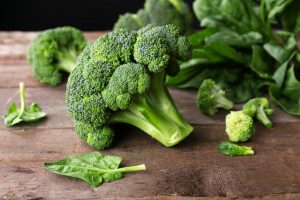
is a remarkably healing vegetable. Numerous studies have indicated that the sulforaphane found in broccoli stimulates the protein synthesis that fights against the cancer cells. It is also full of antioxidants and other vitamins such as vitamins E, C, and K.
Cucumber juice helps regulate blood sugar. This makes cucumbers beneficial for people who have diabetes or high blood sugar. Cucumber is a vegetable that’s 95% water, but it’s also rich in minerals, natural salt, enzymes, vitamins, and antioxidants.
It is widely known that healthy eating has a significant impact on human health.
The fibers overcome the feeling of hunger and can help with symptoms of constipation. Fresh juice can also help the skin! They reduce swelling and irritation, and no wonder they are so used in facemasks and face creams! It even helps with sunburn pain! They are also part of the same family as melons, squash, and pumpkins!


Foods that contain beta-carotene have been shown in numerous studies to reduce the risk of cancer. Beta-carotene is converted to vitamin A in the body, and a well-rounded diet is essential because specific vitamins like vitamin A cannot be absorbed without fat intake.
Vitamin C, which is also found in zucchini, also protects the body from high blood pressure and strokes. Now that you know the benefits of these vegetable offerings, you need to take a look at the following two recipes. Often I don’t eat certain veggies because I haven’t found a way to cook them to my liking, but once I find the one! I eat it as often as I can make it! The greenest smoothie ever
Ingredients:
Preparation: You add all of the ingredients in a blender and add water until you reach the limit of 2L engraved on the container of the mixer. Thereafter, you mix everything and get the healthiest smoothie possible. Usually, if it is too thick for your taste, you can add more water.
Ingredients:
Preparation: This is the easiest and healthiest breakfast recipe. All you need to do is wash the zucchini and cut it into circles. Put olive oil in a pan and fry the cut zucchini. You can also combine it with eggs and cheese. I sometimes even put the zucchini in the oven to roast them a bit without the frying component. DELICIOUS!
Ingredients:

Preparation:
In a big pot, boil the water with one teaspoon of salt. After you finish cooking, add the broccoli, divided into smaller pieces, and continue boiling for an additional 5–6 minutes. Remove the broccoli from the water and let it cool. After it is cold enough, add olive oil, vinegar, garlic (finely chopped), and curry. Serve. I usually eat my broccoli raw! I love its crunchiness. If you’re having trouble with the raw, try this recipe for some boiled, softer broccoli and mix any spices you would like! Mix it up! Okay, there are many, many more veggies than these, but these are a few that recent studies have looked at and investigated. If you have any specific vegetables you want more info on, feel free to let me know, and I’ll be sure to do my best and post about them!

